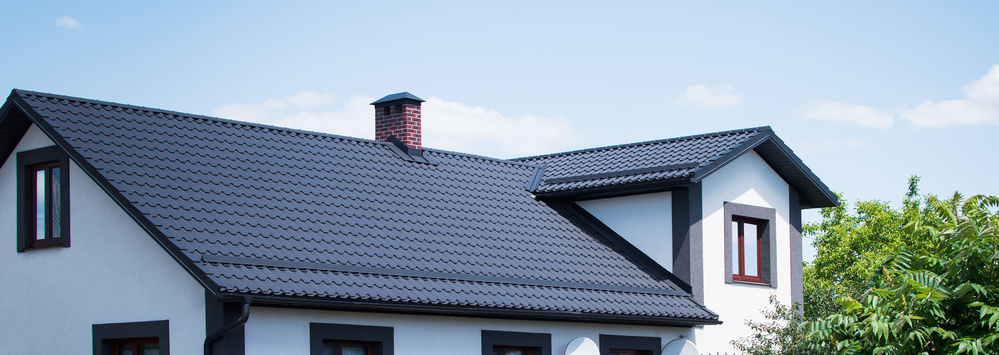
Along Florida’s Southwest Gulf Coast, humidity is an ever-present challenge for homeowners. The constant moisture in the air accelerates roof deterioration, particularly in communities like Englewood, Venice, and Port Charlotte.
Understanding how humidity affects your roof—and how to prevent long-term damage—can help protect your home’s structure, improve energy efficiency, and extend roof life for years to come across coastal homes exposed to salt air and heavy rain.
Key Takeaways
- High humidity accelerates roof wear and promotes algae growth.
- Proper ventilation and regular roof inspection can extend roof life.
- Choosing materials designed for Gulf Coast humidity reduces long-term costs.
- Timely roof repair and maintenance prevent hidden moisture damage.
How Coastal Humidity Impacts Roof Durability on the Florida Gulf Coast
The humid Gulf Coast climate places constant stress on roofing systems. Heat, moisture, and salt air combine to reduce the lifespan of shingles and underlayment faster than in drier regions.
Below are three critical ways this environment challenges residential and commercial roof structures, particularly in coastal towns like Englewood, FL, where high humidity and storm season create ongoing roof life concerns.
Accelerated Material Breakdown
Along the coast, constant exposure to humidity and UV rays causes roofing materials—especially asphalt shingles and architectural shingles—to deteriorate faster. In towns like Venice and Englewood, moisture seeps into microcracks, weakening adhesion and flexibility. Over time, even premium shingles lose protective granules and energy efficiency, leading homeowners to schedule early roof replacement or shingle replacement services.
Reliable roofing systems, such as those made from modified bitumen, concrete tiles, or metal roofing systems, resist structural issues caused by salt air and water intrusion.
Mold and Mildew Development
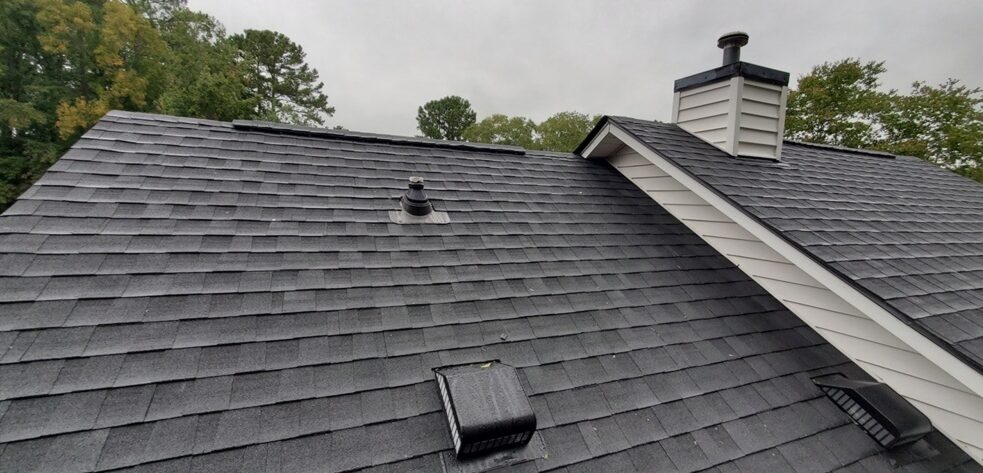
Persistent humidity provides the perfect breeding ground for mold growth, algae, and mildew. In shaded areas or near trees, these growths discolor shingle roofs, weaken roof types like tile roofs, and retain moisture that degrades the roof deck. Homeowners in Port Charlotte and Lemon Bay often notice water stains, worn shingles, or missing shingles—early signs of moisture buildup that can cause structural damage or costly repairs.
A thorough roof inspection helps identify these issues before they require emergency roofing services during Florida’s storm season.
Corrosion of Metal Components
Even durable metal roofing systems can suffer corrosion from coastal air and harsh weather. Salt air accelerates oxidation on fasteners, flashing, and vents, compromising waterproof seals and reducing structural integrity.
While metal roofs remain among the best roofing materials for Gulf Coast humidity, they require specialized coatings and regular maintenance to resist corrosion. Homeowners seeking peace of mind in Englewood’s rainy season often choose premium materials with protective finishes that provide reliable protection and long-term energy savings.
Practical Steps To Protect Roofs In Southwest Florida Climates
Preserving roof longevity in a humid coastal environment means combining preventive measures, professional guidance, and ongoing care.
Below are practical ways homeowners across Englewood, Venice, and North Port can keep their roofing systems resilient and ready for tropical storms and major storms.
Prioritize Proper Roof Ventilation
Balanced airflow is key to preventing trapped moisture beneath the roof deck. Without adequate ventilation, humidity builds in the attic, leading to wood rot, mold growth, and insulation failure. A professional roof installation should include ridge and soffit vents to maintain temperature control and proper ventilation.
This not only improves roof life but also enhances energy efficiency in Englewood homes, keeping cooling costs low through Florida’s humid summers and hurricane season.
Schedule Routine Maintenance and Inspections
Humidity-related roof damage often develops quietly. Regular roof maintenance and seasonal roof inspections can catch early signs of blistering shingles, minor repairs, or trapped moisture before they escalate. Homeowners in Sarasota County typically schedule semiannual checks—one before hurricane season and another in late fall—to ensure their roofs remain watertight, prevent storm damage, and comply with Florida building codes.
Reliable roofing contractors in Southwest Florida also inspect drainage systems and gutters to avoid water pooling that weakens flat roof sections or concrete tiles.
Choose Coastal-Grade Roofing Materials
Selecting the right roofing materials is crucial for longevity along the Gulf Coast.
High-performance asphalt shingles with algae-resistant granules, sealed underlayments, and rust-resistant fasteners withstand moisture and salt exposure effectively. Metal Roofing and stone-coated systems like Tilcor offer exceptional resilience in humid climates, helping Englewood homeowners avoid premature roof replacements.
Whether choosing shingle roofs, tile roofs, or flat roof systems, working with a trusted roofing contractor ensures your roofing project uses premium materials built to protect Englewood homes from moisture buildup and harsh weather.
Protect Your Roof Today With a Free Estimate
Humidity won’t wait—and neither should you.
Schedule a free estimate with Galloway Roofing to assess your home’s current condition and receive expert recommendations built for Florida’s unique climate. From emergency tarping after storms to complete roof replacement, our roofing company provides fast response and dependable results for both residential and commercial properties.
Frequently Asked Questions
What are the signs of humidity damage on Florida roofs?
Look for dark streaks, curling shingles, soft decking, or musty attic odors. These are signs of roof damage or structural issues from high humidity and water intrusion. Englewood homeowners should schedule thorough roof inspections to catch moisture buildup before it leads to costly repairs or emergency roofing services.
Which roofing materials last longest in Gulf Coast humidity?
Coastal-grade metal roofing systems, architectural shingles, and concrete tiles are top choices for Gulf Coast durability. These materials resist mold growth, salt air, and UV rays while improving energy efficiency. Choosing premium materials with protective coatings ensures reliable protection through Southwest Florida’s rainy season and tropical storms.
How often should homeowners schedule roof inspections?
In Southwest Florida, regular inspections twice a year are ideal—one before storm season and another afterward. This helps identify worn shingles, flashing gaps, and drainage system issues. A trusted roofing contractor ensures your Englewood home stays storm-ready, reducing the risk of water stains or structural damage.
Can ventilation alone prevent humidity-related roof issues?
Proper ventilation helps prevent moisture buildup, but it must be supported by regular maintenance and professional cleaning. Pairing ventilation with gutter repair and adequate drainage systems improves energy savings and roof life. Reliable roofing maintenance also ensures your roofing systems withstand major storms and harsh coastal humidity.