Choosing a shingle brand matters, but proper shingle installation in Southwest Florida is just as important. With intense sunlight, heavy rainfall, and hurricane-season winds, even high-quality shingles can fail when fastening, flashing, or underlayment is installed incorrectly.
For homeowners in Englewood, Sarasota, and Port Charlotte, the importance of proper shingle installation goes beyond appearance. A correctly installed roofing system helps prevent water intrusion, improves wind resistance, and protects your home against Southwest Florida’s demanding weather conditions.
Key Takeaways
- Correct fastening helps shingles remain secure during the strong winds common along Florida’s Gulf Coast.
- Proper flashing and underlayment help prevent water intrusion around vulnerable roof openings and intersections.
- Installation quality depends on preparation, material compatibility, manufacturer instructions, and careful attention to detail.
- Homeowners should verify licensing, installation practices, warranty coverage, and roof conditions before hiring a contractor.
How Proper Shingle Installation Protects Southwest Florida Roofs
Asphalt shingles protect a home through a coordinated system of materials, attachments, and water-shedding details. When these components work together, they help reduce damage from wind-driven rain and everyday weather exposure. Understanding roofing workmanship and shingle performance starts with examining the installation practices that matter most.
How Proper Shingle Installation Protects Southwest Florida Roofs
Asphalt shingles depend on more than material quality to protect homes against Southwest Florida’s demanding weather. Fastening, alignment, flashing, and roof edge details all contribute to how well the roofing system performs. Understanding roofing workmanship and shingle performance helps homeowners recognize why installation quality matters as much as the shingles themselves.
Correct Nail Placement Matters for Shingle Stability
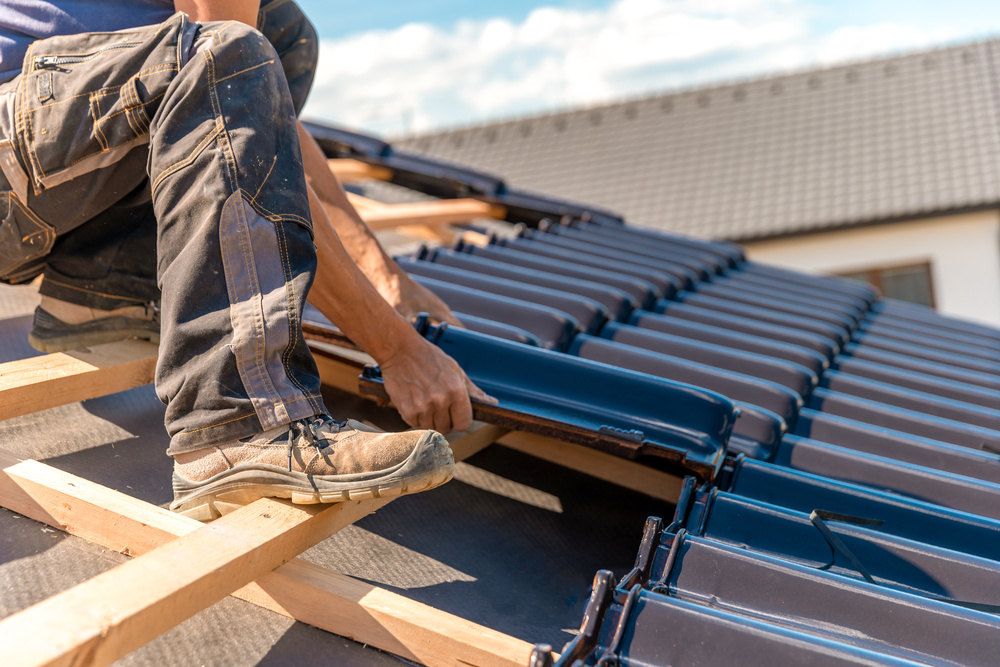
Incorrect nail placement can weaken shingle attachment, leaving sections of the roof more vulnerable to wind uplift. Properly installed fasteners follow the manufacturer’s requirements for placement, quantity, and depth. This helps shingles remain secure during the strong winds that frequently affect Southwest Florida.
Overdriven nails can damage shingles, while raised nails may prevent them from lying flat. Correct fastening is an essential part of properly installed shingle roofing.
Shingle Alignment Affects Wind Resistance
Misaligned shingles can create uneven overlaps and interfere with the roofing system’s intended wind protection. Proper alignment maintains consistent coverage and allows shingles to function according to manufacturer specifications. This supports the wind resistance of asphalt shingles during coastal storms and seasonal thunderstorms.
In Sarasota and Englewood, wind-driven rain can expose weaknesses in poorly aligned roofing materials. The U.S. Department of Energy’s asphalt shingle roofing guidance explains the importance of correct fastening and installation methods in high-wind areas.
The Role of Flashing and Underlayment in Preventing Roof Leaks
Roof leaks often develop around vents, valleys, chimneys, and other areas where roofing materials meet. Proper roof flashing and underlayment create additional barriers that help redirect water away from vulnerable openings. These components are particularly important during Southwest Florida’s heavy rainfall and wind-driven storms.
Even well-installed shingles cannot compensate for defective flashing around roof penetrations. Evaluating your roof before replacement can help identify these weaknesses before significant water damage develops.
Roof Edges Are Vulnerable to Coastal Wind Damage
Roof edges experience concentrated wind forces that can loosen shingles when perimeter installation details are inadequate. Correctly installed starter shingles, drip edges, and fastening systems help protect these exposed sections. This reduces the risk of wind lifting roofing materials and exposing the underlying roof structure.
Homes near the Gulf Coast face additional concerns during tropical storms and hurricanes. FEMA’s guidance for asphalt shingle roofing in high-wind regions highlights installation practices that help protect vulnerable roof edges.
Installation Quality Affects the Lifespan of Asphalt Shingles
Common shingle installation mistakes can cause premature wear, loose materials, and recurring moisture problems. Accurate fastening, consistent overlaps, and properly integrated roofing components help shingles perform throughout their intended service life. The importance of proper shingle installation becomes clear when comparing long-term roof performance rather than brand reputation alone.
For homeowners in Port Charlotte and Punta Gorda, installation quality helps protect their roofing investment. Addressing localized problems by replacing worn or damaged shingles may prevent further deterioration without requiring an immediate full replacement.
What Homeowners Should Check Before Choosing a Roofing Installer
Selecting a roofing contractor requires more than comparing prices and preferred shingle brands. Homeowners should understand who will perform the work, how the roof will be evaluated, and which installation standards apply. These questions can help reveal differences in shingle installation quality before a project begins.
Verify Roofing Licenses and Manufacturer Certifications
Hiring a contractor without confirming credentials can leave homeowners uncertain about qualifications and accountability. Check the contractor’s Florida roofing license and ask about manufacturer certifications relevant to the proposed materials. These credentials provide useful information when evaluating experience, training, and eligibility for certain warranty programs.
Galloway Roofing holds Florida contractor license CCC1335750 and is a GAF Master Elite Certified Contractor. GAF identifies Master Elite contractors as representing approximately the top 2 percent of roofing contractors nationwide.
Ask How Installation Crews Handle Roofing Projects
Unclear crew arrangements can make it difficult to understand who is responsible for workmanship and project communication. Ask whether the contractor uses employees or subcontractors and who supervises the installation. Clear answers help homeowners establish expectations for consistency, oversight, and problem resolution.
Galloway Roofing uses in-house crews rather than subcontractors for its roofing projects. Homeowners can ask who will oversee their particular installation and how concerns will be addressed.
Review Installation Methods and Florida Building Code Requirements
Common shingle installation mistakes include misplaced fasteners, inadequate flashing, and incorrect treatment of roof edges. Request an explanation of the proposed installation method and how it meets applicable Florida Building Code requirements. This helps establish whether the contractor has considered the home’s location, roof design, and product specifications.
Florida’s Building Codes and Standards resource provides information about statewide codes and roofing product approvals. Homeowners in Venice, Punta Gorda, and other coastal communities should also ask about applicable local permitting requirements.
Compare Workmanship Warranties and Coverage Terms
A manufacturer warranty does not necessarily cover every issue caused by improper installation. Review the contractor’s workmanship warranty separately and ask which problems, exclusions, and procedures apply. Understanding both forms of protection helps prevent confusion if a roofing concern appears after completion.
Galloway Roofing provides a seven-year workmanship warranty on full residential roof replacements. The GAF Golden Pledge warranty is also available on qualifying installations, subject to its terms and eligibility requirements.
Request a Detailed Roof Assessment Before Replacement
A replacement estimate based only on visible shingle wear may overlook moisture damage or other roofing concerns. A thorough assessment helps identify damaged areas, roof penetrations, ventilation considerations, and potential deck issues. These findings support a more accurate scope of work and reduce the likelihood of unexpected changes.
Before choosing a complete roof replacement, ask what the inspection includes and how findings will be documented. A clear written estimate should explain the proposed materials, installation approach, and work included.
Get Reliable Shingle Installation Across Southwest Florida
A dependable shingle roof starts with careful evaluation and installation practices suited to Florida’s demanding climate. Galloway Roofing has served Gulf Coast homeowners since 2012, completing more than 30,000 projects with an emphasis on responsive service and lasting protection.
Our family-owned company helps homeowners understand their roofing options without unnecessary pressure.
Whether you’re concerned about storm damage, aging shingles, or an upcoming replacement, our team can help assess your roof. Request a free estimate to discuss your roofing needs in Englewood, Sarasota, Port Charlotte, or surrounding Southwest Florida communities.
Frequently Asked Questions
Does shingle brand matter more than installation quality?
Both matter, but a recognized brand cannot compensate for incorrect installation. Proper fastening, flashing, underlayment, and edge details help the selected shingles perform as intended under Southwest Florida’s demanding weather conditions.
What are the most common shingle installation mistakes?
Common problems include misplaced or improperly driven nails, incorrect shingle overlaps, inadequate starter courses, and poorly installed flashing. These issues can increase vulnerability to wind damage, water intrusion, and premature roof deterioration.
How does proper installation improve hurricane wind resistance?
Correct fastening and shingle placement help roofing materials resist wind uplift. Properly secured roof edges and compatible components provide additional protection. However, no asphalt shingle installation can guarantee that a roof will withstand every hurricane.
How can homeowners verify shingle installation quality?
Check the contractor’s Florida license, ask about manufacturer certifications, and request a detailed written estimate. Discuss fastening practices, waterproofing components, crew supervision, applicable code requirements, and workmanship warranty terms before approving the project.