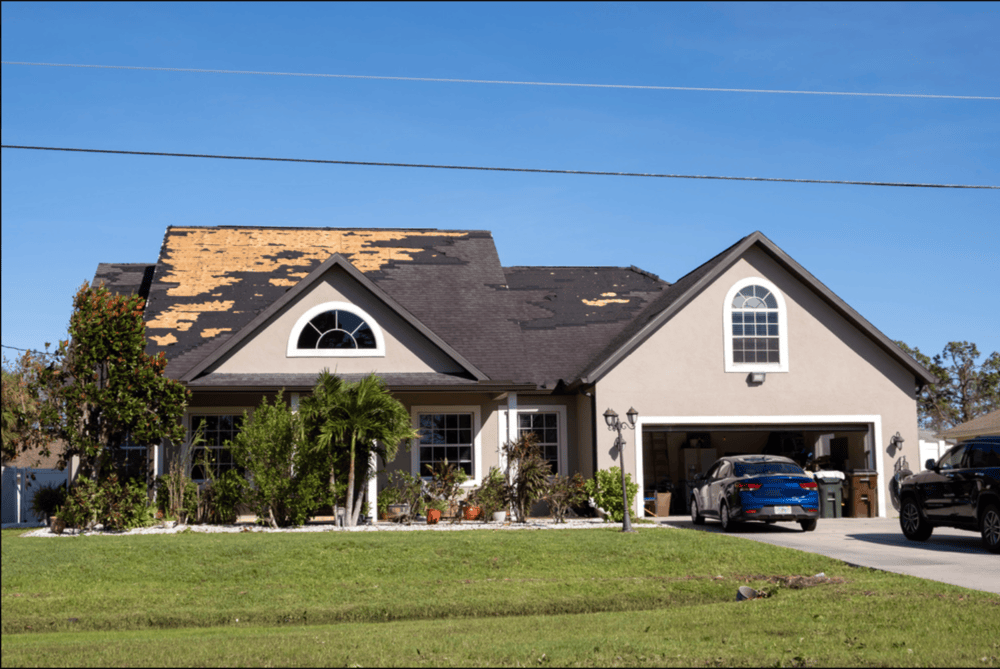
Understanding the questions to ask before replacing your roof helps Southwest Florida homeowners avoid confusion when planning a major roofing project. Between hurricane exposure, intense sunlight, and heavy rainfall, choosing the right materials and installation approach requires careful consideration.
A roof replacement involves more than selecting a roofing product or comparing estimates. Knowing what to know before replacing a roof helps homeowners evaluate existing damage, contractor qualifications, warranty coverage, and project expectations.
Key Takeaways
- A thorough roof assessment helps determine whether existing damage requires repairs or a complete replacement.
- Roofing materials should suit Southwest Florida’s climate, wind exposure, and applicable building requirements.
- Contractor licensing, installation practices, and warranty terms deserve careful review before approving a roofing project.
- Detailed estimates and clear project expectations help homeowners understand the work involved in roof replacement.
5 Key Questions to Ask Before Replacing Your Southwest Florida Roof
Replacing a roof begins with understanding its condition and identifying the factors that influence long-term performance. The right questions help homeowners compare recommendations, understand available options, and recognize potential concerns before work begins.
These five roof replacement questions for homeowners address the most important decisions involved in planning a roofing project.
Does Your Roof Need Replacement or Can It Be Repaired?
Visible roof damage does not always mean the entire roofing system needs replacement. A professional assessment helps identify whether deterioration is isolated or affects multiple roofing components. A thorough roof inspection can reveal underlying problems and help determine whether repairs or replacement are necessary.
Missing shingles, recurring leaks, and widespread deterioration are possible signs you need a roof replacement. However, the extent and underlying cause of damage should guide the decision.
What Roofing Materials Are Best Suited to Florida’s Climate?
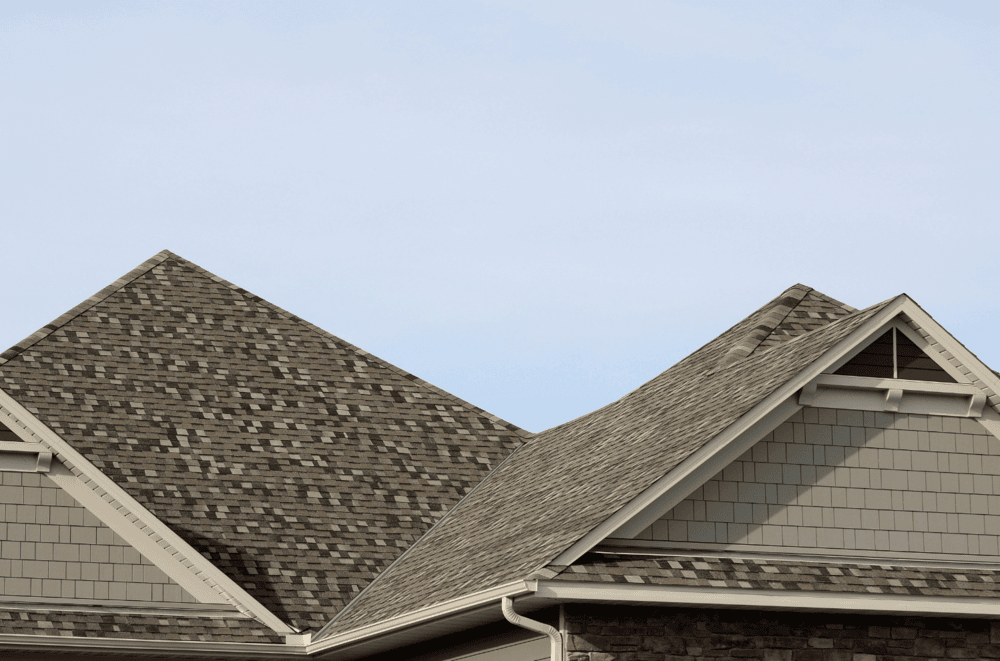
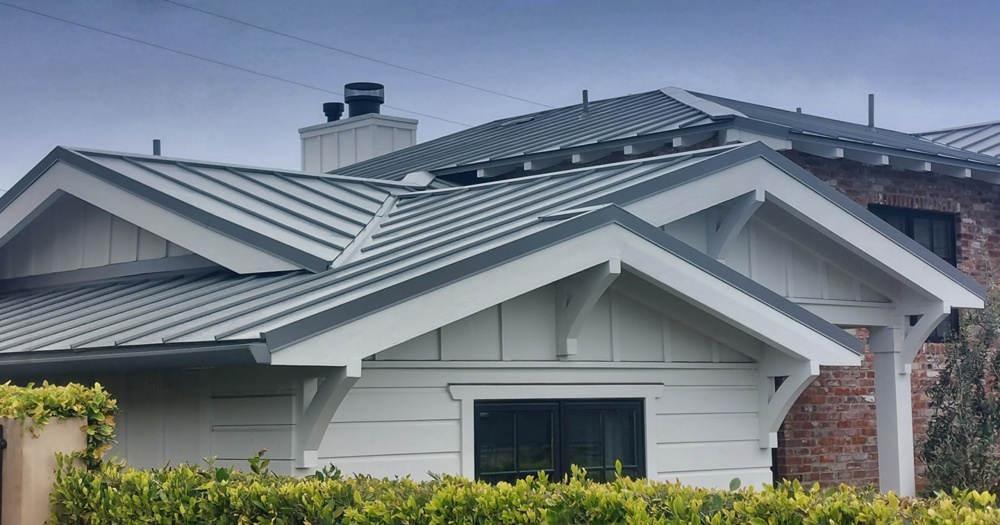
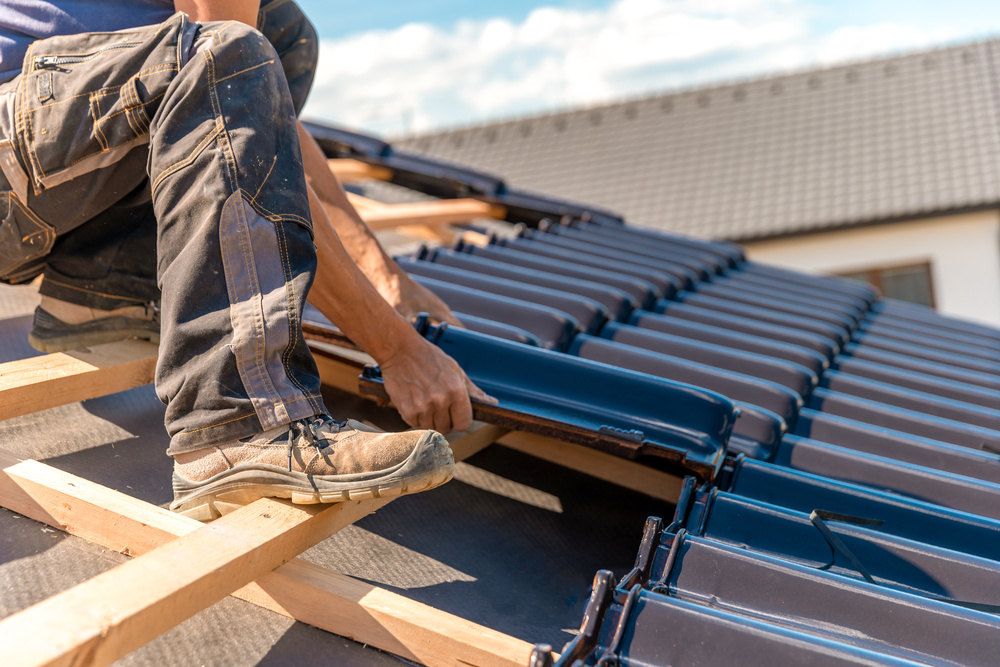
Roofing materials respond differently to sunlight, moisture, strong winds, and changing temperatures. Comparing asphalt shingles, metal roofing, and tile systems helps homeowners understand differences in durability, appearance, weight, and maintenance.
These considerations are important when choosing roofing materials for Florida homes exposed to demanding coastal conditions.
Homeowners should also review manufacturer specifications and applicable product approvals. The right material depends on the property’s roof structure, environmental exposure, and installation requirements.
Is Your Roofing Contractor Properly Licensed and Certified?
Hiring a contractor without verifying credentials can create uncertainty about qualifications and responsibility for the roofing work. Checking Florida licensing information and relevant manufacturer certifications helps homeowners evaluate professional credentials before signing an agreement.
These details provide greater confidence that the contractor understands applicable installation standards and roofing requirements.
Galloway Roofing holds Florida roofing contractor license CCC1335750 and is a GAF Master Elite Certified Contractor. GAF identifies Master Elite contractors as representing approximately the top two percent of roofing contractors nationwide.
What Does the Roof Replacement Estimate Include?
An unclear roofing estimate can make it difficult to compare proposals or anticipate additional work. A detailed written estimate should identify the proposed materials, installation scope, removal requirements, and relevant project conditions.
Understanding these details helps homeowners evaluate what is included before committing to a replacement.
Ask how unexpected decking damage, material changes, or other concealed conditions would be handled. Clear documentation helps reduce misunderstandings if the project scope changes.
What Workmanship and Manufacturer Warranties Are Available?
Homeowners may assume that every roofing warranty provides the same protection against leaks or installation problems. Reviewing manufacturer coverage separately from workmanship protection helps clarify responsibilities, exclusions, and applicable warranty periods.
These differences matter because roofing materials and installation labor may be covered under separate agreements.
Galloway Roofing provides a seven-year workmanship warranty on full residential replacements. GAF Golden Pledge coverage is also available on qualifying installations, subject to its terms and eligibility requirements.
How to Evaluate Roofing Options and Plan Your Replacement
Once homeowners understand the main replacement considerations, the next step involves reviewing practical details that affect project preparation. Roofing materials, existing damage, local requirements, and scheduling expectations all influence how a replacement should proceed.
The following topics explain how to prepare for a roof replacement while keeping the process organized and informed.
Review Your Roof’s Condition and Storm Damage History
Previous storms can leave roofing damage that remains unnoticed until leaks or material deterioration become more apparent. Reviewing inspection findings and past repairs helps establish whether the roof has experienced recurring or widespread problems. This information helps homeowners understand when roof repairs may be sufficient and when more extensive work might be necessary.
After hurricanes or severe thunderstorms, storm damage assessments can uncover roofing problems that are not immediately visible. Homeowners should preserve photographs and inspection records to document the roof’s condition.
Compare Roofing Materials and Installation Methods
Selecting roofing materials based only on appearance or advertised durability can overlook important installation requirements. Understanding differences in fastening methods, underlayment, flashing, and roof system compatibility helps homeowners compare available roofing approaches.
These details matter because even high-quality materials depend on correct installation for dependable weather protection.
When comparing modern roofing materials and installation methods, homeowners should consider how each system addresses their roof’s design and environmental exposure.
Understand Florida Building Codes and Permit Requirements
Roof replacement projects must meet applicable building requirements that may differ from those in place when the original roof was installed. Reviewing current roofing codes and product approval requirements helps homeowners understand the standards governing their replacement project.
These requirements are particularly important in Southwest Florida because roofs must withstand demanding wind and weather conditions.
The Florida Building Commission’s product approval database provides information about approved roofing products and applicable conditions. Homeowners should also confirm permitting responsibilities with their contractor and local building department.
Prepare Your Property for Roof Replacement Work
Roof replacement activities can temporarily affect access to driveways, outdoor spaces, and areas surrounding the home. Preparing the property helps reduce unnecessary disruptions and protects belongings from debris or accidental damage.
These precautions make it easier for roofing crews to complete their work while maintaining a safer environment.
Homeowners can move vehicles, secure outdoor furniture, and discuss access arrangements before installation begins. Pets and household members should remain away from active work areas.
Confirm the Project Timeline and Communication Process
Unexpected weather, concealed roof damage, or material availability can affect the progress of a roofing project. Discussing the expected schedule and communication procedures helps homeowners understand how updates and changes will be handled. Clear expectations reduce confusion when conditions require adjustments during installation.
Ask who will oversee the project and how questions or unexpected findings will be communicated. Galloway Roofing uses in-house crews rather than subcontractors for its roofing projects.
Make an Informed Roof Replacement Decision in Southwest Florida
A successful roof replacement begins with understanding the existing roof, comparing suitable materials, and reviewing installation and warranty details. Galloway Roofing has served Florida’s Gulf Coast since 2012, completing more than 30,000 projects with in-house crews.
As a family-owned GAF Master Elite Certified Contractor, the company provides roofing services suited to Southwest Florida’s climate.
Whether your roof shows signs of aging, recurring leaks, or damage from severe weather, a professional assessment can clarify the available options. Request a free estimate to discuss your roofing needs and understand the next steps.
Frequently Asked Questions
How do I know when my roof needs replacement?
Common warning signs include widespread shingle damage, recurring leaks, deteriorating roofing materials, and extensive storm damage. However, visible symptoms alone cannot determine whether replacement is necessary. A professional inspection helps evaluate the roof’s overall condition.
What should I look for in a roof replacement estimate?
A roofing estimate should explain the proposed materials, installation scope, removal work, and relevant project conditions. Homeowners should also review warranty information, permit responsibilities, and procedures for handling unexpected damage discovered during installation.
How long does a roof replacement usually take in Florida?
Roof replacement timelines vary depending on roof size, material type, weather conditions, and project complexity. Permitting, material availability, and unexpected structural concerns may also affect scheduling. Contractors should explain the anticipated timeline before work begins.
Should I replace my roof before hurricane season?
Replacing a severely deteriorated roof before hurricane season may reduce exposure to avoidable roofing problems. However, timing depends on the roof’s condition and project requirements. A professional assessment helps determine whether replacement is warranted.