A 20-year-old roof can still provide dependable protection for a Southwest Florida home, but age alone does not determine whether replacement is necessary. Coastal humidity, intense sunlight, heavy rainfall, and hurricane activity affect roofing systems differently depending on material quality and maintenance history.
Understanding the signs of continued performance and the factors that influence replacement timing can help homeowners make informed decisions before major problems develop.
Key Takeaways
- A 20-year-old roof may still have years of service life remaining.
- Roof condition is often more important than age alone.
- Storm exposure and repair history influence replacement decisions.
- Professional evaluations help identify remaining roof lifespan.
Signs Your 20-Year-Old Roof Still Has Reliable Service Life
Many roofs continue performing effectively beyond twenty years when key components remain in good condition. These signs often indicate that an aging roof still provides reliable protection for Southwest Florida homes.
Shingles Remain Flat and Secure
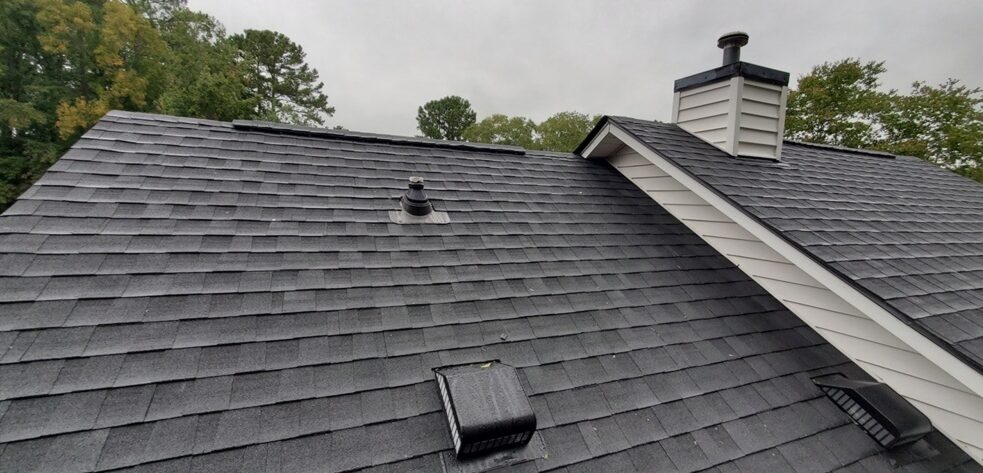
Curled, lifted, or cracked shingles often signal advanced aging, but a roof with flat and properly secured shingles may still have dependable service life. Roofing materials that maintain their original shape generally provide stronger protection against heavy rain and seasonal weather conditions. This stability suggests the roofing system continues performing as intended despite its age.
Roofs throughout Sarasota and Venice that maintain consistent shingle alignment often experience fewer weather-related vulnerabilities.
Granule Coverage Remains Consistent
Asphalt shingles rely on protective granules to shield underlying materials from ultraviolet exposure. When granule loss remains minimal and surfaces appear evenly covered, the roof often retains important protective qualities. Consistent granule coverage helps slow deterioration caused by Southwest Florida’s intense sun exposure.
Minor granule loss is normal, but widespread bare spots typically indicate declining performance.
No Recurring Interior Leaks Are Present
Recurring leaks often indicate roofing components are beginning to fail, while a dry attic and stain-free ceilings suggest continued performance. Roofs that consistently prevent water intrusion during heavy rain events usually retain meaningful service life. Reliable moisture protection remains one of the strongest indicators of an effective roofing system.
Many successful roof inspection findings begin with confirming that moisture has not entered the home.
Flashing and Roof Penetrations Remain Intact
Roof penetrations and flashing areas are among the most vulnerable sections of any roofing system. When flashing remains secure and watertight around vents, chimneys, and roof transitions, the roof often continues protecting against water intrusion. Intact flashing indicates critical weatherproofing components remain functional.
This is particularly important for homes in Port Charlotte and Punta Gorda that experience frequent seasonal storms.
The Roof Continues Handling Seasonal Storms Well
Southwest Florida weather regularly tests roofing systems through high winds, heavy rainfall, and tropical activity. A 20-year-old roof that consistently performs well after these events without significant storm damage often demonstrates remaining durability. Continued weather resistance suggests key structural and protective components remain in good condition.
Strong post-storm performance often provides valuable insight into a roof’s remaining lifespan.
Key Factors That Help Determine When to Replace It
Even when an older roof appears functional, several factors help determine whether replacement should be planned. Roofing professionals evaluate these conditions when assessing long-term reliability.
Overall Material Condition
The physical condition of roofing materials remains one of the most important replacement factors. Widespread cracking, brittleness, surface deterioration, or missing components often indicate the roof is approaching the end of its service life. Material condition provides a clearer picture than age alone when evaluating replacement needs.
When deterioration becomes widespread, roof replacement may provide greater long-term value than continued repairs.
Frequency of Past Repairs
An occasional repair is expected throughout a roof’s lifespan, but repeated repairs across multiple areas often suggest broader deterioration. Increasing repair frequency can indicate that individual fixes are no longer addressing the underlying condition of the roofing system. Repair history helps determine whether continued maintenance remains practical.
A roof requiring constant attention may be approaching replacement regardless of its appearance.
Exposure to Severe Weather Events
Years of hurricane seasons and tropical storms create cumulative wear on roofing systems throughout Southwest Florida. Even roofs without obvious damage can experience gradual weakening after repeated weather exposure. Storm history often influences how much service life remains in an aging roof.
Homes in Fort Myers and Cape Coral frequently experience weather-related wear that accelerates aging.
Roof Ventilation Performance
Proper attic ventilation plays a significant role in roof longevity. Excessive heat and trapped moisture can accelerate material deterioration and reduce overall performance. Ventilation effectiveness helps determine whether roofing components have aged normally or experienced premature wear.
Poor ventilation often shortens the useful lifespan of otherwise durable roofing materials.
Type of Roofing Material Installed
Different roofing materials have different lifespan expectations under Southwest Florida conditions. Asphalt shingles, tile systems, and metal roofing products all respond differently to heat, humidity, and storm exposure. Material type provides important context when evaluating whether a 20-year-old roof remains within its expected performance range.
Understanding the installed roofing system helps establish realistic replacement timelines.
Maximize the Remaining Life of Your Southwest Florida Roof
Since 2012, Galloway Roofing has helped Southwest Florida homeowners navigate roof aging, storm exposure, and long-term property protection. That experience, combined with a commitment to quality workmanship and dependable service, helps homeowners make roofing decisions with confidence.
A 20-year-old roof may still have years of reliable performance remaining, but its condition matters more than its age. For a clearer understanding of your roof’s remaining lifespan, request a free estimate or contact our team today for an expert evaluation.
Frequently Asked Questions
Can a 20-year-old roof still be considered reliable?
Yes. Many roofs continue providing dependable protection beyond twenty years when materials remain in good condition and major weather-related damage has been avoided.
What is the biggest factor in determining remaining roof life?
Material condition is often the most important factor. Roofing systems with limited deterioration typically retain more service life than roofs showing widespread wear.
How do hurricanes affect roof lifespan?
Repeated hurricane exposure can gradually weaken roofing materials, flashing, and fastening systems. Even when obvious damage is not visible, cumulative weather stress can shorten lifespan.
Should a roof be replaced simply because it is twenty years old?
Not necessarily. Age provides useful context, but replacement decisions should also consider condition, repair history, storm exposure, and overall performance.