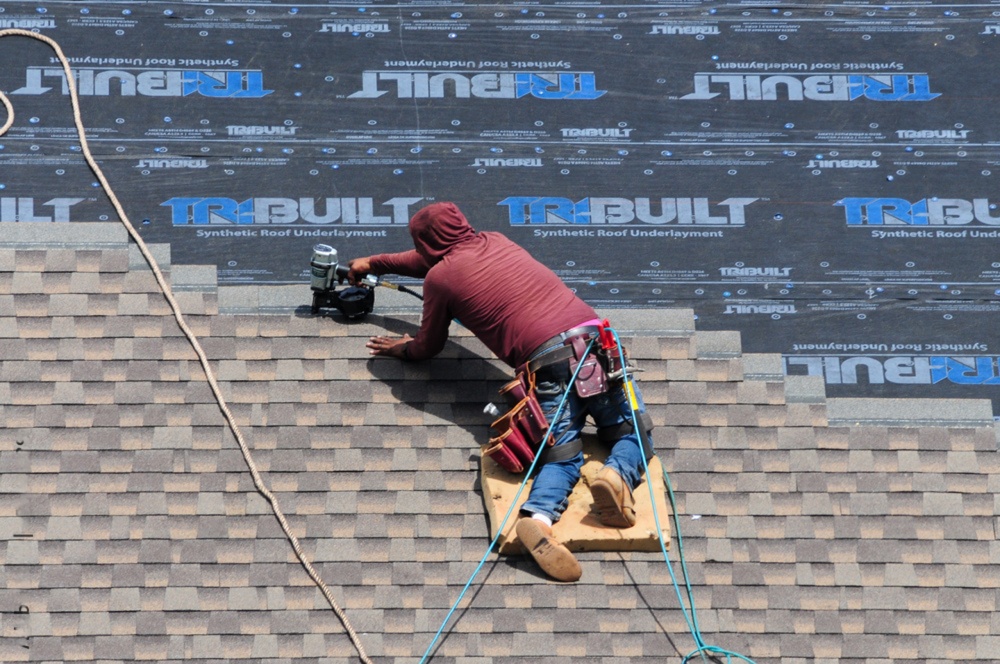
Roofing materials take the visible impact of Florida weather, but the protective layers underneath also play a critical role. Proper roof underlayment for Southwest Florida homes creates a secondary barrier between the roof covering and structural decking.
This added protection matters across Sarasota, Port Charlotte, and Fort Myers, where heat, humidity, heavy rain, and tropical storms create year-round roofing pressure.
Understanding how roof underlayment protects a home can help property owners make better decisions during repairs and replacements.
Key Takeaways
- Underlayment provides secondary moisture protection beneath the primary roofing material during heavy Florida rainfall.
- Proper installation helps limit water intrusion when strong winds expose vulnerable roofing materials.
- Underlayment selection should match the roofing material, local conditions, and applicable installation requirements.
- Inspections can identify damaged underlayment before hidden moisture spreads into the roof decking.
How Underlayment Shields Southwest Florida Roofs From Weather
Underlayment forms a protective layer directly between the roof deck and the finished roofing material. Southwest Florida conditions make this layer especially important when heat, humidity, wind, and rain repeatedly stress a roofing system. The following areas explain how properly installed underlayment supports protection beneath the visible roof covering.
Strengthens the Roof Against Wind-Driven Rain
Strong Gulf Coast storms can loosen shingles, tiles, flashing, or other exterior components and create openings for rain. Proper underlayment provides another water-resistant layer when the primary roof covering becomes compromised during severe weather. This secondary protection matters because roof underlayment for hurricane protection can help limit immediate water exposure beneath displaced materials.
After significant wind exposure, homeowners should have vulnerable roofing areas evaluated instead of assuming an intact interior means no damage. An early inspection can help identify problems so you can address roof damage before water intrusion reaches the decking or insulation.
Controls Moisture Beneath the Roof Surface
Small openings can allow moisture beneath roofing materials without producing immediate ceiling stains or visible indoor leaks. A sound underlayment layer helps resist that moisture before it reaches the structural roof deck. This protection matters because prolonged humidity and wind-driven rain can contribute to concealed deterioration in Southwest Florida homes.
Homes in Punta Gorda and nearby coastal communities may benefit from inspections after severe storms or when unexplained moisture appears indoors. Evaluating the complete roofing assembly can help with identifying moisture damage beneath the roof surface before deterioration spreads.
Protects the Deck When Roofing Materials Are Compromised
Shingles, tiles, and metal panels provide primary weather protection, but storms can damage or displace individual components. Underlayment helps separate the exposed roof deck from incoming water while the outer roofing system remains compromised. This additional barrier explains how roof underlayment protects a home when exterior materials cannot provide their intended coverage.
Damaged surface materials still require timely attention because underlayment is a secondary barrier rather than a substitute for proper roofing. Addressing vulnerable areas keeps your roof prepared for Florida weather throughout hurricane season.
Supports Metal Roofing Through a Complete Layered System
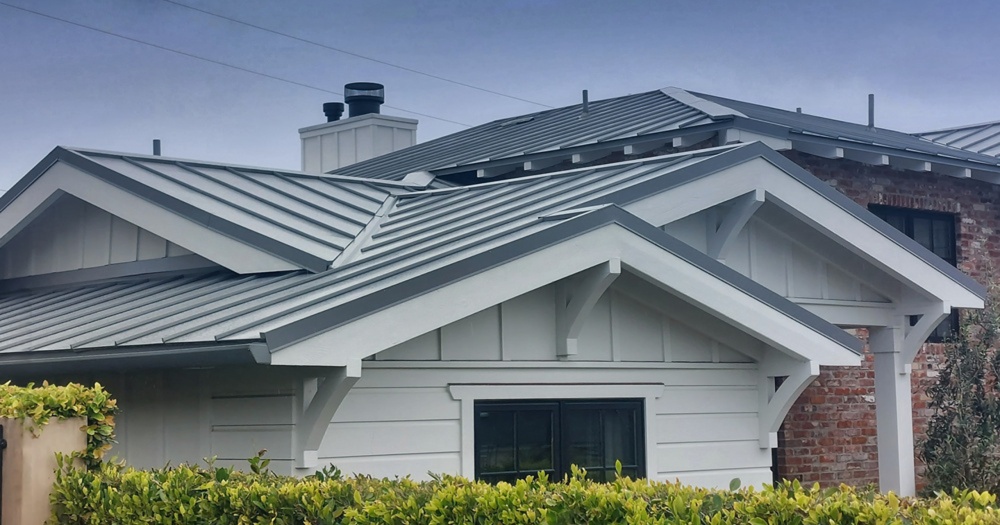
Metal roofing must work as part of a complete assembly rather than relying only on panels for weather resistance. Proper underlayment for metal roofs in Florida adds moisture protection between metal materials and the structural decking below.
This layered approach matters along the Gulf Coast, where heavy rainfall and prolonged humidity can expose weaknesses within aging roof systems.
Homeowners considering metal should evaluate the entire roofing assembly rather than comparing surface materials alone. That broader approach supports choosing the right roofing system for the home’s structure, location, and long-term protection needs.
Maintains Protection During Repeated Storm Cycles
Southwest Florida roofs experience cumulative wear because heat, rain, humidity, and tropical weather return throughout the year. Underlayment provides ongoing secondary protection as the exterior roofing system experiences normal aging and repeated weather exposure. Its condition becomes increasingly important when storms create small vulnerabilities that may otherwise allow moisture to reach structural materials.
Routine inspections can identify roofing weaknesses before another major weather event arrives. This preventive approach helps homeowners maintain dependable protection rather than waiting for an interior leak to reveal hidden damage.
What Homeowners Should Prioritize When Choosing Underlayment
Not every underlayment system serves the same roofing material, property, or installation conditions. Homeowners should consider compatibility, moisture resistance, installation quality, and the requirements governing the complete roof assembly. These priorities help clarify what the best roof underlayment for Florida weather means for an individual Gulf Coast home.
Match Underlayment to the Finished Roofing Material
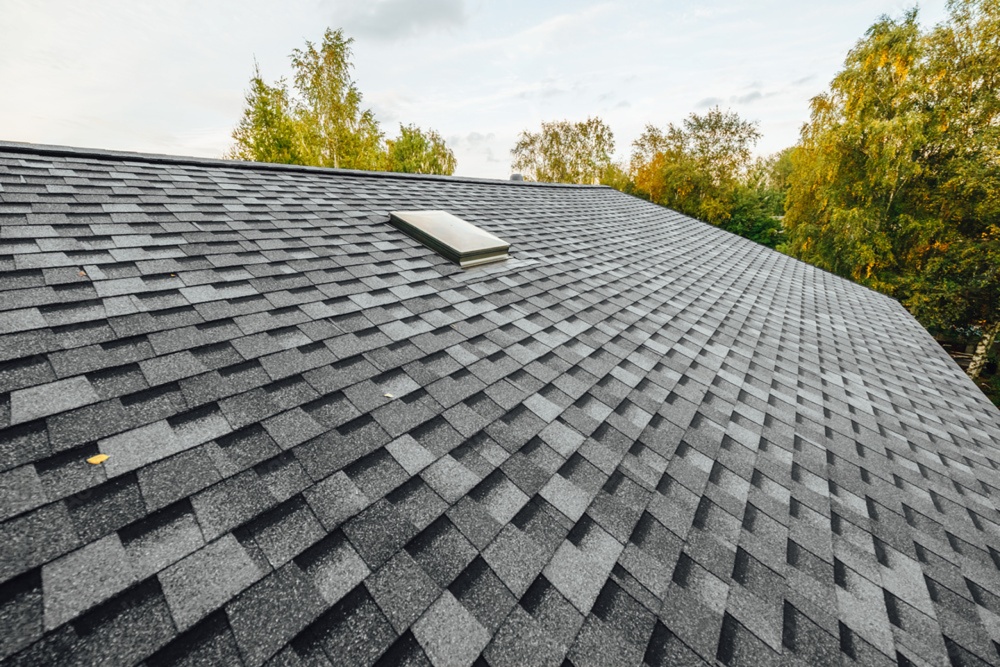
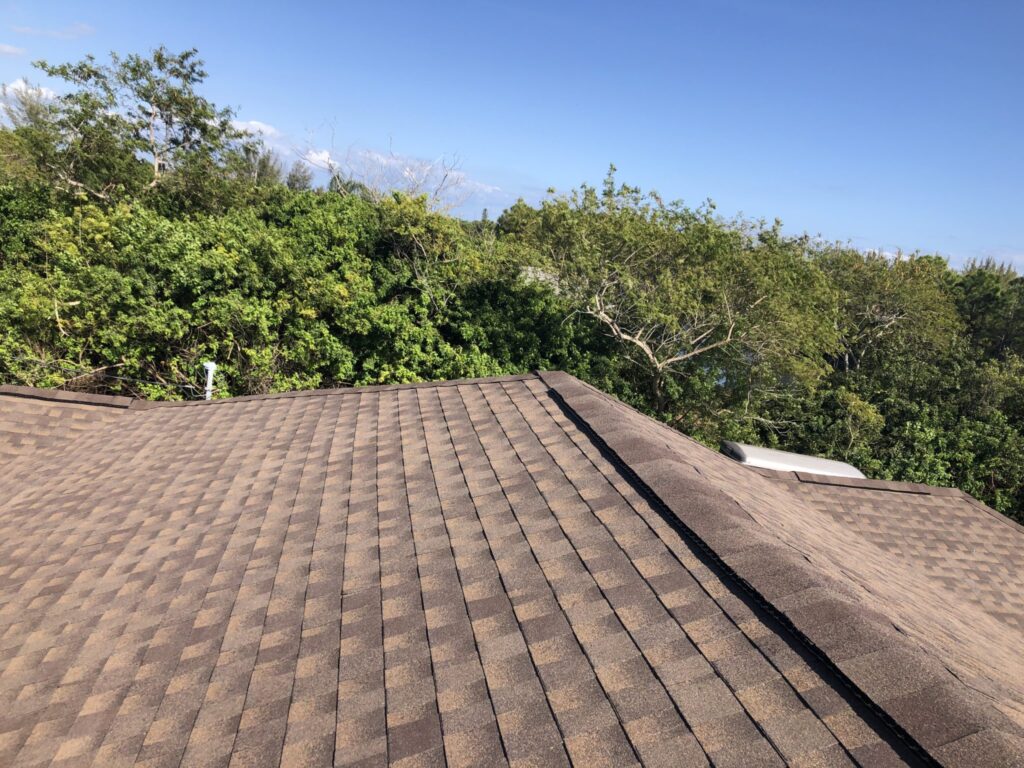
Using an underlayment that does not suit the finished roof can undermine the performance of an otherwise durable roofing system. The appropriate layer should work with the selected shingles, tile, or metal and follow applicable installation requirements. Proper compatibility matters because every component must function together to control moisture beneath the finished surface.
Before replacing a roof, homeowners should look beyond the visible material and consider how every roofing layer works together. This helps with selecting the right roofing system for reliable, long-term performance in Southwest Florida.
Prioritize Moisture Resistance for Coastal Conditions
Persistent humidity and seasonal rainfall make moisture management a major concern for homes throughout Southwest Florida. Underlayment should provide dependable secondary resistance when water reaches beneath the primary roof covering during storms. That protection matters because concealed moisture can damage decking and other components before homeowners notice obvious interior symptoms.
Homeowners in Venice and other Gulf Coast communities should take unexplained stains, odors, or recurring leaks seriously. A roofing evaluation can determine whether moisture has moved beyond the visible surface.
Examine the Roof Deck Before Installation
Installing new underlayment over damaged decking can leave underlying deterioration unresolved beneath a new roofing system. During replacement, exposed decking should be evaluated for soft areas, rot, and moisture damage before installation continues. A stable substrate matters because underlayment depends on the condition of the surface supporting it.
During a tear-off, it’s especially important to check for hidden moisture damage. Repairing any compromised decking first gives the new roofing system a solid foundation.
Focus On Correct Installation and Secure Attachment
Even suitable underlayment can provide weaker protection when installation details are incorrect or vulnerable areas are poorly secured. Proper placement, fastening, and integration with the surrounding roofing components help create consistent protection across the deck. Installation quality matters because Gulf Coast winds and wind-driven rain can expose small weaknesses during severe storms.
Homeowners should ask how the complete roof assembly will be installed for local weather exposure. Clear installation details are more useful than choosing an underlayment based only on a product name.
Plan Underlayment Around Long-Term Roof Performance
Selecting underlayment only for immediate installation can overlook how the entire roof must perform through years of Florida weather. Material compatibility, moisture protection, roof condition, and expected weather exposure should influence the final system choice. This broader view helps homeowners evaluate underlayment as one working component within a complete protective assembly.
Regular inspections after installation remain important because storms can affect roofing layers differently over time. Ongoing evaluations keep the roofing system ready for Florida weather as materials age and seasonal conditions change.
Protect Your Southwest Florida Roof With the Right Underlayment
Galloway Roofing has served Florida homeowners since 2012, providing roof inspections, repairs, replacements, and storm damage services. Our service area includes Southwest Florida and extends into Tampa Bay, including Tampa, Brandon, Clearwater, St. Petersburg, and Wesley Chapel.
Homeowners across these communities face intense heat, high humidity, heavy rainfall, and hurricane exposure. A professional evaluation can help identify underlayment concerns, moisture damage, and other vulnerabilities before severe weather arrives.
Request a free estimate to evaluate your roofing needs, or contact Galloway Roofing to discuss your roofing needs.
Frequently Asked Questions
What does roof underlayment do?
Roof underlayment creates a water-resistant protective layer between structural decking and the finished roofing material. It provides secondary moisture protection when rain reaches beneath shingles, tiles, or metal roofing during severe weather or material damage.
Can damaged underlayment cause roof leaks?
Damaged underlayment can increase the risk of water reaching the roof deck after moisture gets beneath exterior roofing materials. Leaks may remain hidden initially, making timely inspections important after major storms or recurring water problems.
Is underlayment important for metal roofs in Southwest Florida?
Yes. Metal panels are part of a complete roofing assembly, and compatible underlayment adds secondary moisture protection beneath them. Proper material selection and installation help the entire system perform under Southwest Florida’s rain, humidity, and storms.
Should underlayment be inspected after a hurricane?
A post-storm roof inspection can identify torn underlayment, displaced roofing materials, damaged flashing, and other openings that may allow moisture intrusion. Early evaluation helps address vulnerable areas before hidden water damage spreads beneath the roof surface.