
Granule loss is one of the most common concerns homeowners in Englewood notice on an asphalt shingle roof, especially after storms or periods of extreme heat. Those small shingle granules play a critical role in protecting the asphalt layer beneath from UV rays, moisture intrusion, and daily wear and tear.
While not all granule loss signals a serious problem, understanding roof granule loss causes and signs for Florida homeowners helps prevent costly damage and unexpected roof leaks. In a coastal environment like Englewood, frequent storms, high winds, salt air, and intense sun exposure all influence how quickly roof shingles age and lose their protective layer.
Key Takeaways
- Shingle granules protect asphalt shingles from UV rays, water penetration, and early deterioration.
- Minor granule loss can be part of normal aging, but significant granule loss shortens a roof’s lifespan.
- Granules in your gutters or bald spots on shingles often signal weather damage or aging materials.
- Coastal Florida conditions can accelerate granular loss on older roofs and poorly installed roofing material.
- A professional roof inspection helps determine whether shingle replacement or full roof replacement is needed.
How Granule Loss Affects Roof Protection In Coastal Florida
Coastal conditions place constant stress on roofing systems. Granule loss changes how a roof performs under that stress. Understanding the impact helps homeowners recognize why early attention matters and when ongoing roof maintenance plays a role in prevention.
UV Exposure Weakens The Asphalt Layer
In Englewood’s climate, intense sun exposure is one of the biggest reasons shingles lose granules over time. Protective granules shield the asphalt layer from UV rays that would otherwise dry out the roofing material and make shingles brittle.
When granules disappear, the asphalt shingle roof absorbs more heat, accelerating normal aging and reducing the roof’s life, even on high-quality shingles. Regular care, such as proactive roof maintenance, helps slow this type of surface breakdown.
Coastal Storms Knock Granules Loose
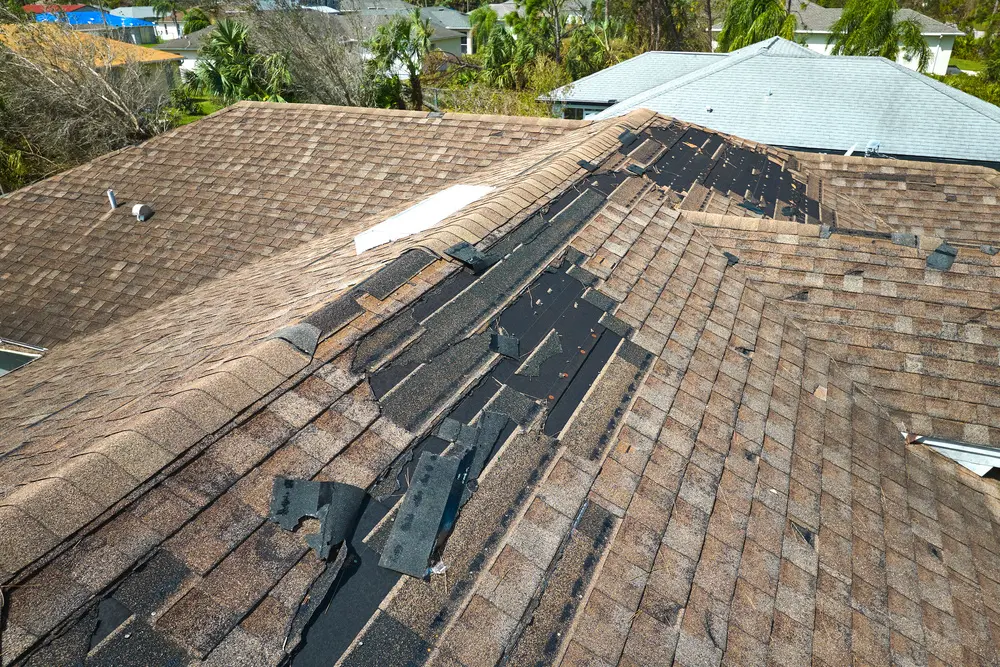
High winds, hail damage, and frequent storms along the Gulf Coast can knock granules loose from roof shingles in a short period of time. Severe weather often causes excessive granule loss in concentrated areas, leading to bare spots that compromise the protective layer.
After major weather events, a timely roof repair evaluation helps prevent water penetration and hidden damage.
Loss of Fire Resistance and Energy Efficiency
Granules serve more than one protective function. They help limit heat absorption and improve fire resistance. When granular loss becomes widespread, the roof loses some of its ability to reflect heat, increasing indoor temperatures and placing added stress on the roof deck beneath the shingles.
In cases where this wear is advanced, homeowners may need to consider whether a full roof replacement offers better long-term protection.
Accelerated Wear From Foot Traffic and Debris
Foot traffic during maintenance, satellite installation, or inspections can loosen granules, especially on older roofs.
Combined with wind-driven debris and sand common in coastal Florida, even a few shingles with missing granules can develop into a larger problem. Addressing isolated areas early with professional shingle replacement helps preserve the roof’s protective layer.
Signs It Is Time For A Professional Roof Evaluation
Granule loss often starts subtly. Over time, the signs become easier to spot. Knowing what to watch for helps homeowners avoid unnecessary damage and costly repairs, whether the home is in Englewood or nearby coastal communities.
Granules In Your Gutters Or On The Ground
Granule buildup in gutters or visible piles near downspouts often indicates more than normal wear. While a few granules after a new roof installation are expected as shingles shed excess granules, ongoing accumulation suggests shingles are losing their protective layer faster than intended. This same pattern is commonly seen in nearby areas such as Boca Grande after periods of severe weather.
Bald Spots and Bare Areas On Shingles
Bald spots where granules are completely missing expose the asphalt layer directly to the sun and rain. These areas are especially vulnerable to water penetration and mold growth. During inspections, bare spots are most often found after storms or on aging shingles nearing the end of their roof’s lifespan.
Roof Leaks or Interior Moisture Issues
As granule loss progresses, the roof becomes less effective at shedding water. This increases the likelihood of roof leaks and moisture reaching the roof deck. Homes throughout coastal Southwest Florida, including communities like Cape Coral, experience similar risks due to humidity and frequent rainfall.
Widespread Granule Loss Across Multiple Slopes
Granule loss that appears across large sections of the roof typically points to advanced aging, storm damage, or poor installation. At this stage, replacing only a few shingles rarely offers lasting protection. A professional evaluation helps determine whether targeted repairs or a more comprehensive solution is the safer option.
Schedule A Roof Inspection With A Trusted Local Professional
Visible granule loss is a signal that your roof deserves closer attention. Acting early helps protect your roof’s lifespan and the structure beneath it. Galloway Roofing provides professional roof inspections designed to identify minor granule loss before it leads to costly damage. As a licensed Florida contractor with extensive coastal experience, our team helps homeowners understand whether repairs, warranty options, or roof replacement make the most sense for long-term protection. Schedule your evaluation now.
You can also call 941-697-3737 to speak directly with a local roofing professional.
Frequently Asked Questions
Is all granule loss a sign that I need a new roof?
Not all granule loss means immediate roof replacement. Minor granule loss is part of normal aging, especially after severe weather. A professional roof inspection helps determine whether the loss is cosmetic or a sign of significant granular deterioration.
How long should asphalt shingles last in Englewood, Florida?
Asphalt shingles in coastal Florida often have a shorter lifespan than in milder climates. Extreme heat, UV exposure, and frequent storms accelerate wear. Regular inspections and proper maintenance help extend roof life, but older roofs are more prone to granular loss.
Can missing granules cause roof leaks?
Yes. When shingles lose granules, the asphalt layer becomes exposed and more susceptible to water penetration. Over time, this exposure can lead to roof leaks and damage to the roof deck if the issue is not addressed.
Should I clean granules out of my gutters?
Keeping gutters clear supports proper drainage, but excess granules should prompt a roof evaluation. Cleaning debris alone does not address the underlying cause of granule loss, which should be assessed by a roofing professional.