

A roof inspection report is a written summary of a professional contractor’s on-site findings about your roof’s current condition. For homeowners along the Southwest Florida Gulf Coast, that report carries real weight. The combination of intense sun, coastal salt air, and active storm seasons means your roof faces stress that other regions simply don’t see.
Understanding what’s in that report helps you make informed decisions about which roofing services you need. It also helps prevent small issues from becoming costly ones.
Key Takeaways
- A roof inspection report documents the current condition of your roofing system, including materials, drainage, and structural concerns.
- Gulf Coast homeowners in areas like Port Charlotte and Englewood face climate-specific risks that a thorough report will flag early.
- Reading your report carefully helps you prioritize roof repair, plan for roof replacement, or support an insurance claim.
- Knowing what inspectors look for puts you in a stronger position when reviewing contractor recommendations and next steps.
Key Roof Inspection Findings That Help Prevent Gulf Coast Damage
A professional roof inspection report gives homeowners a clear picture of what’s working and what isn’t on their roofing system. Along the Gulf Coast, inspectors look beyond basic wear and tear. Salt air corrosion, UV degradation, and storm-related displacement all show up in ways that require a trained eye to catch early.
The sections below cover the three most common and consequential findings in a residential roof inspection report for Southwest Florida properties.
Shingle, Tile, and Metal Roof Material Condition
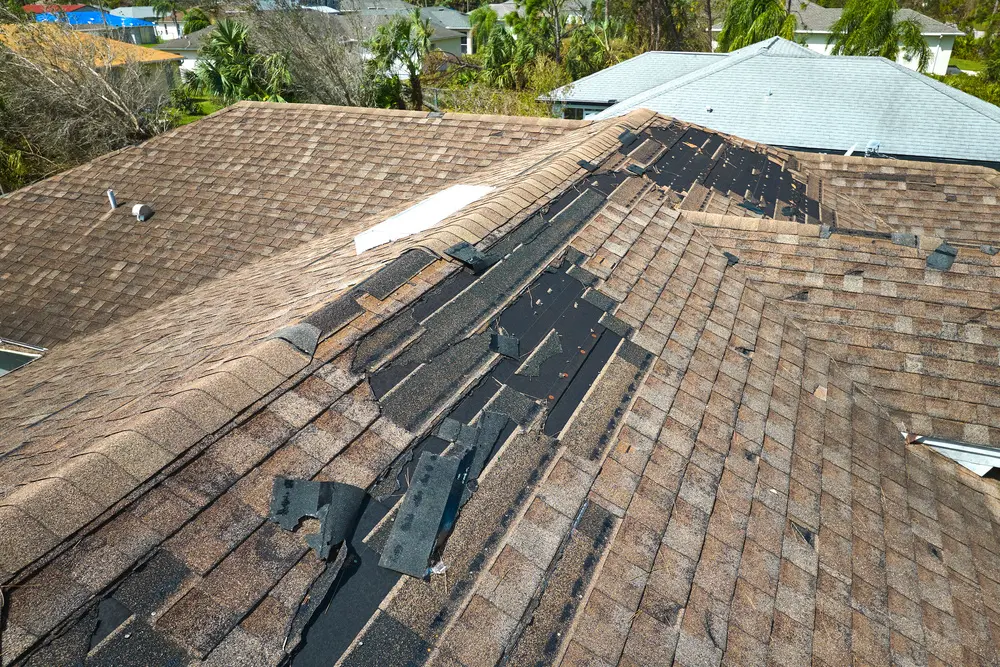
The material assessment is typically the first major section of any roof inspection report. Inspectors evaluate the condition of shingles, tile, and metal panels and check for damage such as cracking, curling, missing sections, and surface wear.
On the Gulf Coast, salt air accelerates surface degradation. At the same time, UV exposure causes brittleness that shortens a roof’s lifespan.
Flashing, Sealants, and Penetration Points
Flashing is the metal material used around chimneys, vents, and roof edges to seal out water. A detailed roof inspection report will note any lifted, corroded, or improperly sealed flashing, because these are common entry points for leaks.
In coastal areas like Englewood and Punta Gorda, salt-air corrosion and dried sealants around penetrations are common causes of interior water damage.
Storm Damage and Structural Integrity
Storm damage documentation is a critical component of any residential roof inspection report in Southwest Florida. Inspectors look for displaced or missing materials, dented or cracked surfaces, sagging deck sections, and signs of compromised structural support.
This section of the report is especially important when preparing for insurance claims. It provides the documented evidence adjusters need to evaluate storm-related losses accurately.
Steps to Review Inspection Reports and Plan Next Actions
Receiving your roof inspection report is the beginning of a process, not the end of one. The information in that document should guide your decisions about timing, budget, and the type of roofing service you actually need. Homeowners who take time to read and understand each section are better equipped to avoid unnecessary costs and act before minor issues escalate.
The steps below walk through how to move from receiving the report to making confident, informed decisions about your roof.
Read Each Finding and Understand Its Severity Rating
Most professional roof inspection reports categorize findings by urgency, such as “immediate repair needed”, “monitor closely”, or “within an acceptable range”. Read each item carefully and note which issues require prompt attention versus those that require longer-term planning.
If the report flags storm damage or active leak risk, roof repair should be scheduled quickly to prevent interior damage and protect your property’s value.
Compare the Report to Your Roof’s Age and Material Type
Every roofing material has an expected service life, and that context matters when reviewing findings. A shingle roof nearing 20 years with multiple issues often points toward replacement. A newer tile roof with isolated damage may only need targeted repair or maintenance.
Understanding where your roof sits in its lifecycle helps you weigh the cost of repairs against the case for a full reroofing.
Use the Report to Prepare for Insurance or Warranty Conversations
A well-documented roof inspection report is one of the most useful tools you have when filing an insurance claim or reviewing a manufacturer’s warranty. Keep a copy of the report, including any photos, to share with your insurer or roofing contractor.
In Southwest Florida, storm damage claims are common in areas like North Port and Venice. Having proper documentation can make a meaningful difference in your claim outcome.
Use Your Inspection Report to Prevent Gulf Coast Roof Damage
If you have a roof inspection report and want a second opinion, or if your roof has not been inspected this year, now is the time to act. Galloway Roofing helps homeowners across the region make clear, informed decisions before storm season arrives. Our team delivers straightforward guidance backed by local experience and proven roofing systems.
Schedule your free estimate today.
Serving homeowners across the Southwest Gulf Coast, our trusted roofing team builds roofs designed for Florida weather. Each project is backed by strong warranties and responsive local service.
Frequently Asked Questions
What’s included in a roof inspection report?
A roof inspection report typically covers material condition, flashing and sealant integrity, drainage performance, signs of storm damage, structural concerns, and recommended next steps. Photos are usually included to document specific findings.
What is the average cost of a roof inspection?
A professional roof inspection generally costs between $100 and $250 for a standard residential property. Costs vary based on roof size, accessibility, and the level of documentation provided in the report.
How do you write a roof inspection report?
A professional inspection report includes property details, material type, condition ratings for each roof component, photos of findings, and clear recommendations. Contractors organize findings by severity so homeowners can prioritize action.
What is the 25% rule in roofing?
The 25% rule requires a full code-compliant roof replacement when more than 25% of a roof’s surface is repaired or replaced within 12 months. This rule affects repair versus replacement decisions and insurance claim outcomes.