
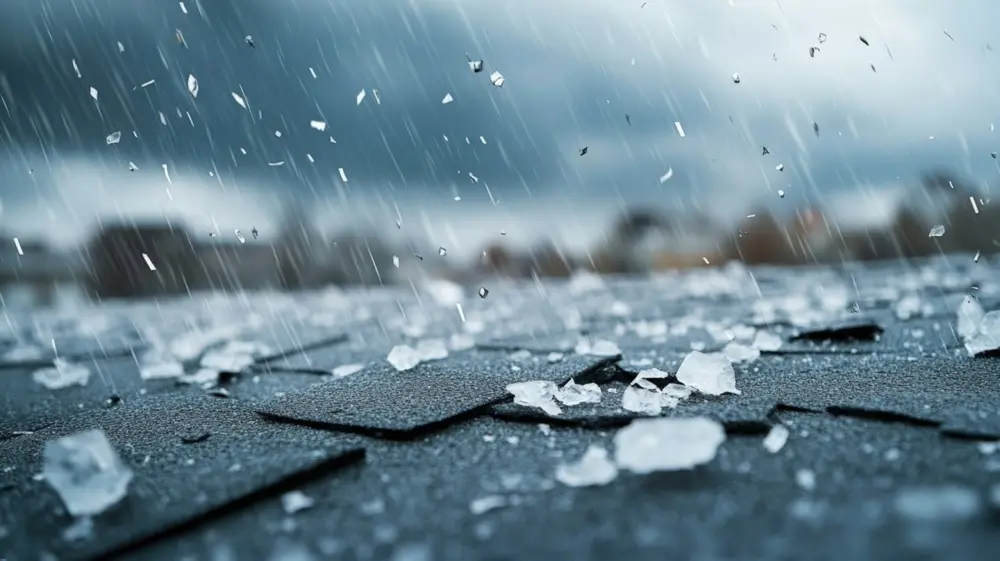
Across Southwest Florida, hailstorms can be brief but surprisingly destructive. Yet many homeowners underestimate the lasting impact of hail on their roofs, assuming visible dents or missing shingles are the only warning signs. In reality, hail damage often hides beneath the surface, slowly compromising the roof’s structure and waterproofing.
This guide clears up the most common myths about hail damage so Englewood-area homeowners can make informed, confident decisions about roof protection.
Key Takeaways
- Not all hail damage is immediately visible, but early roof inspection can prevent costly repairs.
- Hail can shorten a roof’s lifespan even without puncturing shingles.
- Florida roofs benefit from materials rated for hail and wind impact combined.
- Professional roof inspection and prompt roof repair ensure long-term storm resilience.
The Truth About Hail Damage on Southwest Florida Roofs
In Florida’s Gulf Coast region, hail rarely covers yards in white, but it can still inflict serious harm on asphalt, tile, and metal surfaces. The sun, salt air, and storm exposure magnify the effects over time. Homeowners in Englewood, Sarasota, and Tampa often see how a brief hail storm can cause lasting roof damage even when it appears minor.
Below are three realities every area resident should know before dismissing a storm as harmless.
Small Hail Doesn’t Mean Small Damage
Many residents assume that hail smaller than a golf ball can’t damage their roofs.
In our experience providing roof inspections across Sarasota and Port Charlotte counties, we’ve found even pea-sized hail can fracture shingle granules, exposing the underlayment to UV rays and water intrusion.
Over months of Florida sun and rain, that subtle break leads to early deterioration, void warranties, and eventual leaks that may require roof replacement.
Even minor damage to asphalt shingles can compromise roof decking and create trapped moisture that accelerates structural damage.
Hail Damage Can Mimic Aging
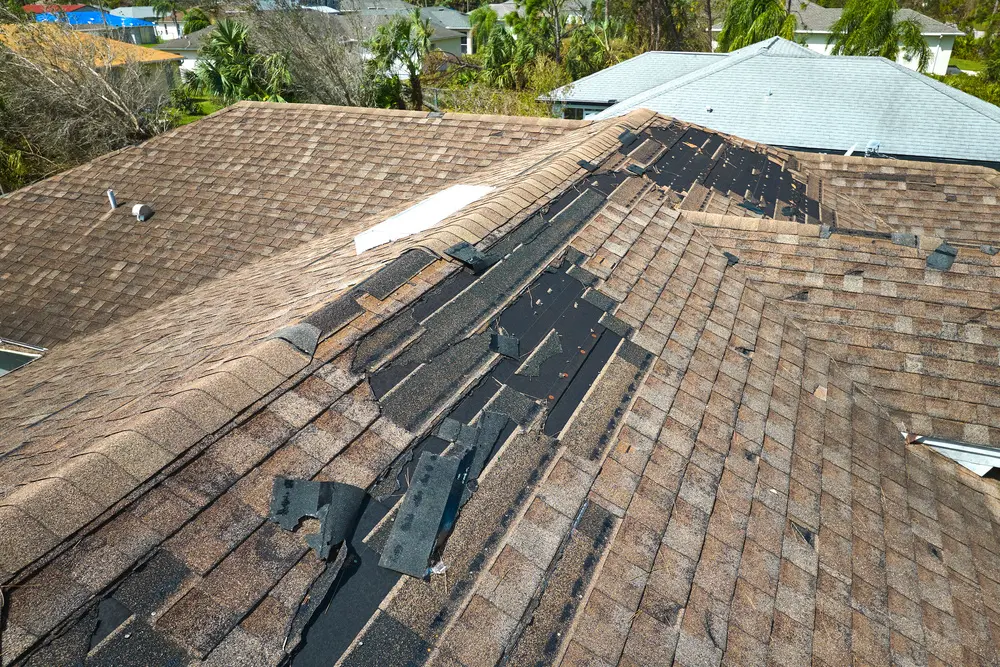
It’s easy to confuse hail impact marks with normal wear, but a trained eye can tell the difference. Our Englewood-area crews often discover circular bruises on shingles that look like simple discoloration. Those bruises indicate compressed asphalt and broken fiberglass mats beneath the surface.
Without timely roof repair, those spots invite moisture beneath the layers, causing mold growth, curling shingles, and structural damage that shortens roof longevity by years.
Aging roof systems exposed to multiple hailstorms often develop weak points near vents or flashing, especially when installation errors or poor drainage systems are present.
Insurance Doesn’t Always Cover Everything
Many homeowners expect full coverage for hail damage automatically, but insurers often require timely proof from a certified professional.
By scheduling a post-storm roof inspection, you gain documentation to support your claim and prevent denials due to “delayed reporting.” When an insurance company sends an insurance adjuster, that inspection report can determine whether your storm damage qualifies for coverage under your insurance policy.
Our team works directly with your insurance company to verify legitimate damage, explain Florida’s building codes, and help you avoid costly surprises. Having accurate records ensures that your roof’s condition is properly represented and that the repair or full roof replacement process aligns with insurance requirements.
How to Assess Roof Damage and Plan Next Steps
After a hailstorm, knowing what to look for—and when to call an expert—makes the difference between a minor patch and a major restoration. This section outlines how Southwest Florida homeowners can evaluate their roofs safely and plan their next move with confidence.
Whether you’re in Naples, North Port, Palm Island, or nearby areas, professional guidance helps ensure your home stays secure through every storm season.
Look for Hidden Impact Signs
Even if your roof looks intact from the driveway, impact zones can hide behind flashing, gutters, or skylights. In our Englewood inspections, we often see small punctures in metal vents, roof slope bruising, or dents in fascia that reveal the force of a storm.
Those clues justify an expert roof inspection before water intrusion escalates. Catching issues early can prevent minor damage from becoming significant damage requiring complete shingle replacement or a new roof.
Regular inspections after major weather events or tropical storms are the best way to maintain roof integrity and protect your home’s roof from long-term water stains and sun damage.
Work with Certified Florida Experts
Choosing a licensed and insured contractor is essential after a storm hits.
Galloway Roofing’s GAF President’s Club status means our assessments meet the state’s strictest standards for safety and quality. We don’t just check for hail impact.
We evaluate wind lift, underlayment integrity, roofing materials, and sealant damage. That experience informs honest repair or roof installation recommendations built for Southwest Florida’s local building codes.
A reputable contractor ensures proper documentation for insurance claims and provides insight into actual cash value options for homeowners working with their mortgage company or public adjuster. When you partner with a professional roofing company familiar with Florida’s insurance requirements, you can move forward in a timely manner and save money through prompt repairs.
Plan for Long-Term Protection
Once immediate issues are handled, consider upgrading to impact-rated shingles or metal roofing systems that meet Florida’s hail and wind resistance standards. These materials help prevent repeat damage and can even lower insurance premiums. Tile roofs and wood shingles may also be reinforced for better energy efficiency and resilience.
With consistent roof maintenance, including scheduled inspections before hurricane season, homeowners can extend their roof’s life and reduce risks from high winds or future hail hits. Investing in a strong drainage system, proper roof vents, and premium coatings also safeguards your home against trapped moisture and installation errors that might void warranties.
Fortify Your Florida Roof for the Coming Hurricane Season
At Galloway Roofing, we have built a reputation across Southwest Florida for fast, reliable storm response and superior craftsmanship.
Our Englewood-based team combines years of local experience with top-tier certifications to deliver roofs that stand up to Florida’s toughest weather. Every project reflects our commitment to quality, transparency, and long-term protection for your home.
Schedule your free estimate today or contact our team at (941) 655-9024 to start your inspection or repair. Our Southwest Florida professionals will ensure your roof remains watertight, resilient, and ready for the next storm season—protecting homes from Naples to Sarasota and nearby coastal communities.
Frequently Asked Questions
How can I tell if my roof has hail damage after a storm?
You might notice bruised shingles, dented metal, or granules collecting in gutters after hailstones strike. Because roof damage can be subtle, scheduling a professional roof inspection is the safest way to confirm issues before they worsen. A roofing professional can assess your own roof for minor damage, roof slope irregularities, or red flags that might lead to costly repairs later.
Do Florida building codes require hail-resistant materials?
While not mandatory statewide, many local building codes encourage impact-rated shingles and metal roofing for areas like Englewood that face hail damage and strong winds. A reputable contractor familiar with Florida’s building codes can recommend roofing materials that improve energy efficiency and roof integrity while meeting insurance company expectations. Choosing impact-resistant asphalt shingles or tile roofs can save money on insurance coverage and enhance your home’s protection.
Will hail damage shorten my roof’s lifespan?
Yes. Even small hail hits can break protective layers, leading to leaks and accelerated aging without timely roof maintenance or shingle replacement. The longer hail damage goes unrepaired, the more likely trapped moisture, mold growth, or curling shingles will form. Inspect your roof regularly after major weather events to maintain the roof’s condition and catch early signs of deterioration before they void warranties.
Does insurance cover hail-related roof damage in Southwest Florida?
Most insurance policies include hail coverage, but documentation and prompt filing matter. Having a certified inspection report helps ensure your storm and weather damage claim is accepted by your insurance company. Work closely with your insurance adjuster and professional roofing contractors to verify the extent of the damage and comply with insurance requirements. Prompt repairs not only restore your roof’s condition but also protect your home’s structure during hurricane season and other major weather events.