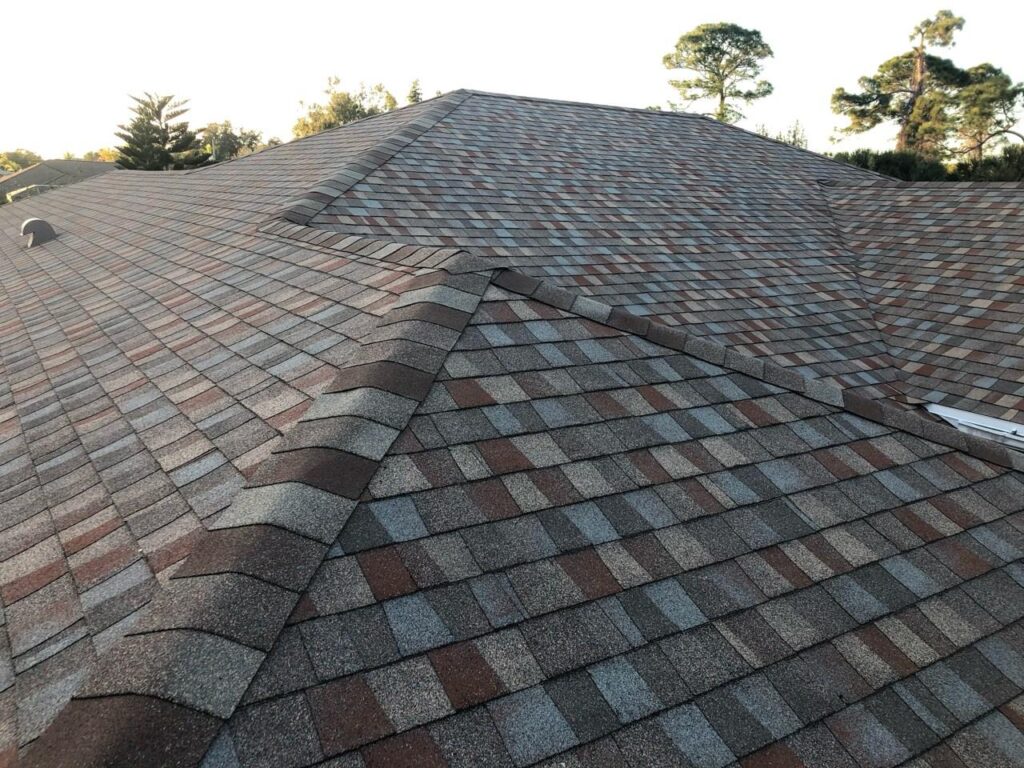
A low roofing estimate can seem like an easy way to reduce project costs, but the lowest price rarely tells the complete story. Homeowners across Sarasota, Port Charlotte, and Englewood often discover unexpected expenses when important materials, labor, or installation details are missing from an estimate.
Understanding what separates a complete proposal from a low initial price helps protect both your home and your long-term investment.
Key Takeaways
- Low roofing estimates may exclude critical materials, labor, or code-required work.
- Complete roofing quotes explain costs, warranties, and project scope before work begins.
- Long-term value often outweighs the lowest upfront roofing price.
- Careful quote comparisons help homeowners avoid unexpected expenses later.
What Low Roofing Estimates Often Leave Out on the Gulf Coast
Low estimates often focus on the initial price instead of the complete project scope. Homeowners should understand which items commonly affect the final cost before making a decision. The following sections explain the most overlooked details found in roofing estimates.
Scope of Work
Some estimates omit essential project tasks, creating unexpected costs after work begins. Reviewing every included step helps homeowners understand whether roof replacement work covers removal, preparation, and final installation. A complete scope reduces confusion because each responsibility is documented before construction starts.
Request a written breakdown that clearly explains every phase of the project before signing an agreement.
Material Specifications
Lower estimates sometimes rely on lower-grade materials without explaining performance differences. Material specifications should clearly identify product types because they influence durability, weather resistance, and long-term maintenance across the Southwest Florida Gulf Coast. Understanding those specifications makes comparing multiple estimates much more accurate.
Ask for product names and performance information so each estimate can be evaluated fairly.
Inspection and Preparation
Preparation work is sometimes excluded to make an estimate appear more competitive. Proper roof inspection procedures help identify hidden decking damage or moisture concerns before installation begins, preventing expensive surprises later. Identifying existing conditions early creates a more accurate and dependable estimate.
Confirm whether inspections and structural evaluations are included before work begins.
Cleanup and Disposal
Debris removal may appear as a separate charge when it is omitted from the original estimate. A complete proposal explains how old roofing materials will be removed, transported, and disposed of according to local requirements in communities such as Venice and Punta Gorda. Clear disposal terms prevent unexpected charges after installation is complete.
Review the cleanup section carefully to understand which responsibilities are included in the quoted price.
Warranty Coverage
Warranty details are often overlooked when comparing estimates based only on price. Understanding workmanship and manufacturer coverage helps homeowners determine whether the investment provides lasting protection instead of short-term savings. Clear warranty documentation supports greater confidence throughout the life of the roofing system.
Read every warranty document carefully before making a final decision.
How to Evaluate Roofing Quotes With Long-Term Value in Mind
A roofing estimate should be evaluated by more than its total price. Long-term performance depends on workmanship, materials, documentation, and clear communication throughout the project. The following considerations help homeowners compare proposals with greater confidence.
Compare Estimates Using the Same Scope
Different contractors may price different project scopes, making direct comparisons difficult. Matching the same material specifications and installation requirements creates a fair comparison for roof repair or replacement projects. Consistent comparisons help identify meaningful differences instead of misleading price gaps.
Create a checklist so every estimate is reviewed using identical criteria.
Look Beyond the Lowest Material Price
Less expensive roofing materials may require earlier replacement or additional maintenance over time. Homeowners considering metal roofing should compare expected lifespan, durability, and weather performance instead of focusing only on initial cost. Long-term value often becomes more important than immediate savings.
Balance upfront investment with expected service life before making a selection.
Evaluate Storm Protection Features
Florida’s coastal climate places significant stress on roofing systems throughout every hurricane season. Estimates should explain how materials and installation methods support storm-damage roofing performance under demanding weather conditions common in Fort Myers and Cape Coral. Better storm preparation often reduces future repair expenses.
Review how each proposal addresses regional weather conditions before choosing a contractor.
Consider Future Maintenance Needs
Every roofing system benefits from regular upkeep after installation is complete. Understanding expected roof maintenance requirements helps homeowners budget for inspections, cleaning, and minor repairs before problems become larger. Ongoing maintenance supports stronger long-term roof performance.
Ask how often routine maintenance should be scheduled after installation.
Prioritize Clear Communication and Documentation
Clear documentation helps homeowners understand expectations before work begins. Detailed estimates explain project timelines, payment schedules, included materials, and warranty information without leaving important questions unanswered. Good communication reduces misunderstandings throughout the roofing project.
Choose estimates that provide complete written information rather than relying on verbal explanations alone.
Choose Long-Term Roofing Value Across Southwest Florida
Galloway Roofing has served homeowners across Southwest Florida since 2012 with in-house crews, GAF Master Elite certification, and more than 30,000 completed projects. That experience helps homeowners receive dependable workmanship, transparent communication, and roofing solutions built for long-term protection in the region’s demanding coastal climate.
Choosing a roofing contractor based on value instead of the lowest estimate helps reduce unexpected costs and supports lasting roof performance. Request a free estimate or our team to review your roofing options and receive straightforward guidance before making your decision.
Frequently Asked Questions
Why are some roofing estimates much lower than others?
Some estimates exclude preparation work, material upgrades, cleanup, permits, or warranty coverage. Reviewing the complete project scope instead of only the total price helps homeowners understand what is actually included before making a decision.
Should I always choose the highest roofing estimate?
Not necessarily. The best estimate provides a complete scope, quality materials, clear warranties, and transparent pricing. Comparing overall value rather than price alone usually leads to a better long-term investment.
Can hidden roof damage change the final project cost?
Yes. Problems such as damaged decking or moisture intrusion may only become visible after existing roofing materials are removed. A thorough inspection helps reduce the likelihood of unexpected additional work.
What should every roofing estimate include?
A complete estimate should explain materials, labor, project scope, cleanup, timelines, warranty information, and payment terms. Detailed documentation allows homeowners to compare proposals accurately and avoid misunderstandings during the project.