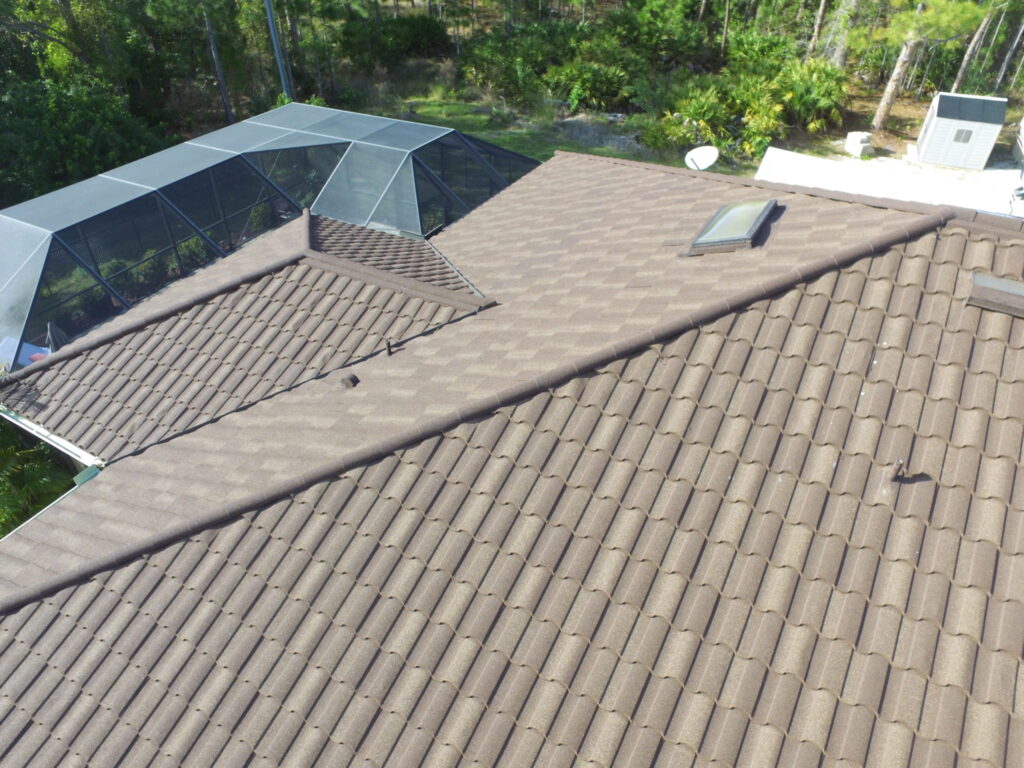
Southwest Florida roofs withstand intense sunlight, seasonal humidity, tropical storms, and hurricane-force winds throughout the year. Structural roofing problems often begin quietly before visible signs finally appear inside the property. Recognizing these warning signals early can help homeowners throughout Venice, Sarasota, and Port Charlotte avoid widespread storm-related deterioration and expensive structural repairs.
Key Takeaways
- Structural roof issues often begin with small warning signs around the home.
- Gulf Coast storms can accelerate hidden roof deterioration beneath the surface.
- Early inspections help reduce long-term structural repair expenses.
- Moisture intrusion frequently causes framing and decking instability over time.
Structural Red Flags Southwest Florida Owners Should Check
Roof structures across the Gulf Coast endure constant weather stress from heat, humidity, and seasonal storms. Small warning signs can quickly become major structural concerns when moisture reaches vulnerable roofing components. Homeowners should understand which conditions deserve immediate professional attention before storm damage spreads further.
Uneven Rooflines Developing Across the Property
Uneven rooflines often indicate shifting support systems or weakened decking beneath aging roofing materials. Homes throughout Englewood and Punta Gorda commonly experience structural stress after repeated seasonal storm exposure. Prompt evaluations connected to roof replacement services can help prevent worsening structural movement during hurricane season.
Interior Ceiling Discoloration and Moisture Marks
Ceiling stains usually develop after moisture slowly penetrates vulnerable roofing layers and surrounding framing systems. Persistent water intrusion can weaken insulation, decking, and attic supports throughout Southwest Florida homes over time. Early professional roof repair from experts often helps reduce widespread interior structural deterioration.
Attic With Soft or Warped Framing
Warped attic framing frequently develops when trapped humidity repeatedly affects structural lumber beneath the roofing system. Excess moisture exposure can gradually compromise roof stability during prolonged Gulf Coast rainy seasons. Homes routinely scheduling roof inspection services often identify hidden structural concerns before larger failures appear indoors.
Shifting or Loose Roofing Sections
Loose roofing sections sometimes indicate deteriorating fasteners or weakened decking beneath the visible roof surface. Strong coastal winds regularly place additional stress on vulnerable roofing areas throughout the North Port and Venice communities. Timely attention through storm damage restoration services can help stabilize exposed roofing sections before severe weather returns.
Cracks Forming Near Upper Exterior Walls
Cracks near rooflines may reflect uneven structural pressure caused by weakened framing connections inside the property. Long-term moisture exposure often contributes to gradual structural movement around upper wall sections and roof transitions. Homeowners regularly scheduling inspections can often address developing concerns before widespread structural shifting occurs.
Inspection Priorities Before Storm Damage Gets Worse
Southwest Florida storm conditions can rapidly worsen existing structural roofing problems without early intervention. Moisture intrusion and wind exposure often spread quickly through weakened sections during hurricane season. Understanding which areas require close monitoring helps homeowners reduce preventable structural deterioration.
Check Drainage Areas for Standing Water Problems
Improper drainage can force rainwater beneath roofing materials during heavy Southwest Florida downpours and tropical storms. Water accumulation near roof edges frequently accelerates deterioration around vulnerable structural sections. Homes upgrading to gutter and shingles improvements often experience stronger drainage performance and better long-term moisture protection.
Examine Roof Penetrations for Water Entry Risks
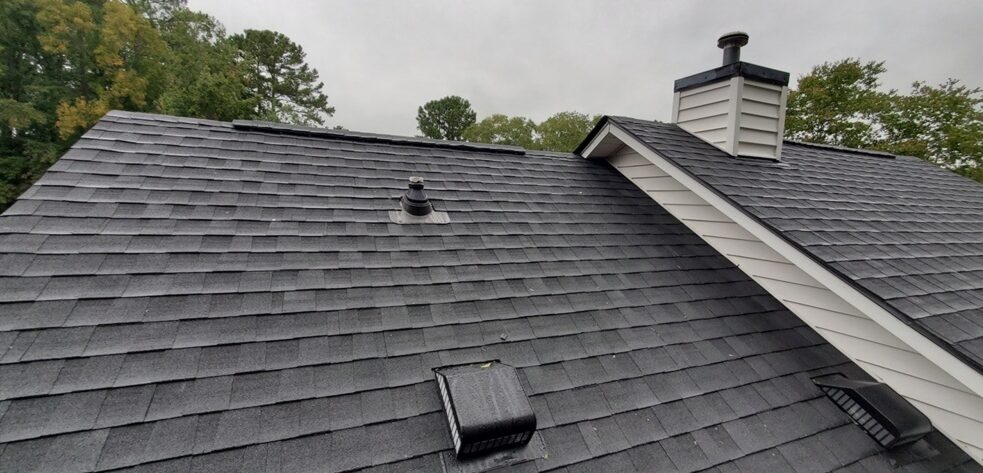
Flashing surrounding vents, skylights, and chimneys often become vulnerable after repeated Gulf Coast storm exposure. Small gaps near penetrations can gradually allow water into the decking and surrounding support structures. Routine evaluations can help identify hidden moisture pathways before interior damage spreads.
Inspect Roof Valleys After Heavy Rainfall
Roof valleys manage large amounts of stormwater and often experience faster wear than surrounding roofing sections. Persistent runoff can gradually weaken underlayment materials and supporting decking beneath these critical drainage channels. Preventive maintenance services help reduce structural strain caused by recurring water concentration.
Monitor Attic Ventilation Following Severe Weather
Poor attic ventilation can trap excessive humidity that weakens framing and roofing supports over extended periods. Southwest Florida heat and storm conditions often intensify moisture buildup inside enclosed attic spaces. Properties utilizing energy-efficient roofing solutions sometimes improve airflow conditions while supporting long-term structural stability.
Review Exterior Roofing Edges for Soft Areas
Soft roof edges commonly indicate moisture deterioration developing near vulnerable drainage and perimeter sections. Coastal weather exposure often weakens these areas faster than the central portions of the roofing system. Homes benefiting from high-performance roofing systems evaluations may identify developing structural concerns before severe storm activity increases damage.
Protect Your Southwest Florida Roof Before Structural Damage Gets Worse
Galloway Roofing has provided trusted coastal roofing expertise across Southwest Florida and the Gulf Coast since 2012. Homes throughout Sarasota, Port Charlotte, Fort Myers, and Cape Coral face constant exposure to humidity, heavy rain, and seasonal storm conditions. Professional inspections can help identify structural warning signs before severe weather causes larger roofing concerns.
Schedule your free estimate today.
Galloway Roofing also extends its service throughout the Tampa Bay region. Homeowners across Tampa, Clearwater, St. Petersburg, Wesley Chapel, and Brandon continue relying on experienced roofing support and completed local roofing projects. Many properties throughout these communities benefit from proactive evaluations that improve storm readiness and long-term roof durability.
Frequently Asked Questions
What causes structural roof damage in Southwest Florida?
Heat, humidity, heavy rain, and hurricane-force winds gradually weaken roofing materials and support systems over time. Moisture intrusion often accelerates hidden structural deterioration beneath vulnerable roofing sections.
How can homeowners identify early structural roofing problems?
Common warning signs include sagging rooflines, ceiling stains, warped attic framing, and visible cracking near upper exterior walls. These conditions often indicate deeper structural concerns requiring professional inspection.
Why do roof valleys require regular inspections?
Roof valleys manage concentrated stormwater runoff during heavy Florida rainstorms and tropical weather conditions. Persistent water exposure can accelerate wear beneath roofing materials and surrounding support structures.
When should homeowners schedule a roof inspection after storms?
Roof inspections should occur soon after severe storms, especially when visible damage or interior moisture signs appear. Early evaluations can help prevent worsening structural deterioration during future Gulf Coast weather events.