Finding the right roofing contractor in Southwest Florida requires more than comparing estimates or checking online reviews. Gulf Coast homes face intense sun, hurricane winds, salt exposure, and seasonal storms that demand experienced roofing professionals familiar with local conditions. Before signing any agreement, homeowners should understand how contractor qualifications, warranties, materials, and communication practices affect long-term roof performance.
Key Takeaways
- Southwest Florida roofing contractors should understand hurricane-resistant roofing systems and local building requirements.
- Written contracts should clearly explain materials, timelines, warranty coverage, and payment expectations.
- Strong communication and documented licensing help homeowners avoid delays and unexpected roofing disputes.
- Reliable roofing contractors explain repair and replacement options based on roof condition and long-term protection.
Questions Southwest Florida Homeowners Should Ask Before Hiring
Hiring a roofing contractor along the Gulf Coast involves more than choosing the lowest proposal. Southwest Florida homeowners should understand how contractors approach storm protection, communication, and roofing system performance before work begins. This section explains important questions that help homeowners compare roofing companies with greater confidence.
Does the Contractor Understand Southwest Florida Roofing Conditions?
Southwest Florida roofs face intense weather exposure throughout hurricane season, especially in Sarasota and Port Charlotte neighborhoods. Contractors familiar with regional conditions often recommend durable systems like metal roofing because they handle strong coastal winds effectively. Experience with Gulf Coast weather patterns also helps contractors identify ventilation and moisture concerns before larger structural damage develops.
Can the Contractor Explain Material Options Clearly?
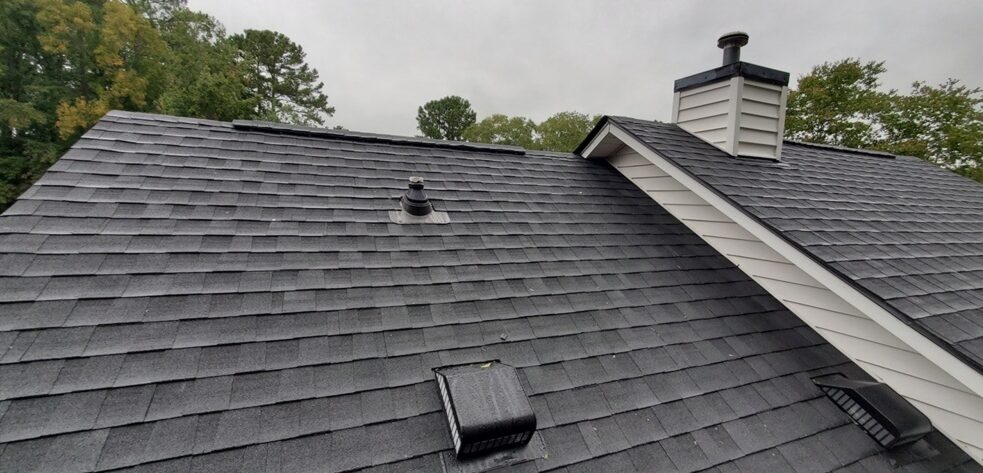
Roofing materials perform differently under Florida heat, humidity, and heavy seasonal rainfall throughout Gulf Coast communities. Contractors should explain how systems like asphalt shingle roofing compare regarding durability, maintenance requirements, and storm resistance. Clear explanations help homeowners avoid selecting roofing materials based only on appearance or short-term pricing considerations.
How Does the Contractor Handle Storm Damage Assessments?
Storm-related roof damage can appear minor initially, while hidden moisture problems continue spreading underneath roofing materials afterward. Contractors experienced with storm damage restoration typically document visible issues carefully before recommending repairs or replacement solutions. Thorough inspections help homeowners understand whether immediate repairs can extend roof life or if broader structural concerns exist.
Is the Contractor Familiar With Insurance Claim Documentation?
Insurance-related roofing projects often require detailed inspection records, photographs, and clear repair recommendations for proper review. Contractors expert in roof repair services generally understand how documentation affects approval timelines and communication expectations. This experience becomes especially important after widespread weather events affecting homeowners across Fort Myers and Venice communities.
Does the Contractor Maintain Consistent Communication During Projects?
Roofing projects often involve scheduling adjustments caused by weather delays, inspections, or material availability throughout Southwest Florida. Contractors who communicate clearly help homeowners understand timelines, cleanup expectations, and progress updates during every project stage. Reliable communication also reduces confusion when projects involve additional exterior improvements.
Key Contract Details and Warranty Terms to Review
Roofing contracts should clearly explain project expectations before installation work officially begins. Homeowners throughout Southwest Florida benefit from reviewing warranty coverage, payment schedules, material specifications, and cleanup responsibilities before signing final agreements. This section outlines important contract details that often affect long-term satisfaction after roofing work is completed.
Detailed Material Specifications in Roofing Agreements
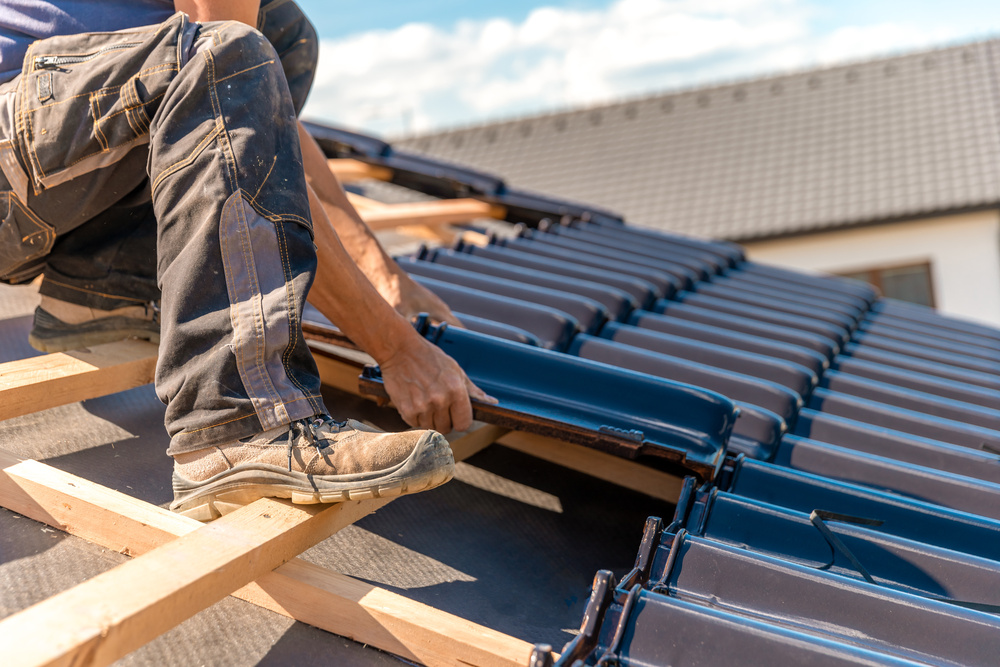
Roofing contracts should identify manufacturer names, product types, color selections, and installation details before work begins on-site. Specific documentation reduces confusion if substitutions occur later because of material shortages or supplier delays during hurricane season. Detailed contracts also help homeowners compare proposals more accurately when evaluating roof replacement services across the Gulf Coast.
Clear Warranty Coverage and Limitations
Warranty language should explain workmanship coverage separately from manufacturer material warranties included with the roofing system installation. Some premium systems may include different warranty terms depending on installation requirements. Understanding warranty limitations beforehand helps homeowners avoid confusion if future maintenance or repairs become necessary.
Defined Payment Schedules and Project Timelines
Roofing contracts should specify deposit amounts, progress payments, and expected completion timelines before project scheduling officially begins. Clear payment structures help homeowners avoid misunderstandings if severe weather temporarily delays installation activities across Southwest Florida communities. Defined scheduling expectations also create accountability during active roof inspection projects.
Property Protection and Cleanup Expectations
Roof replacement projects generate debris, nails, and material waste that require organized cleanup throughout the installation process each day. Contractors should explain how landscaping, driveways, outdoor equipment, and surrounding areas remain protected during roofing operations. Clear cleanup expectations become especially important during larger gutter installation projects on Gulf Coast residential properties.
Permit Handling and Inspection Responsibilities
Southwest Florida roofing projects typically require permits and inspections to confirm compliance with regional building standards and hurricane requirements. Contracts should explain who handles permit applications, scheduling inspections, and addressing code-related adjustments if necessary during installation. Proper documentation protects homeowners during complex roof installation projects after roofing work concludes.
Protect Your Southwest Florida Home With Trusted Roofing Expertise
Galloway Roofing has helped Southwest Florida homeowners protect their properties since 2012 with durable coastal roofing solutions. Homes across Sarasota County, Charlotte County, and Lee County face hurricanes, heavy rain, and intense seasonal heat yearly. Experienced roofing guidance helps homeowners make more confident decisions about long-term roof performance and storm protection.
Schedule your free estimate today.
Galloway Roofing also serves homeowners throughout the Tampa Bay region, including Tampa, Brandon, Clearwater, Palm Harbor, and Wesley Chapel. Homeowners across Hillsborough, Pinellas, and Pasco counties continue trusting experienced roofing professionals familiar with Gulf Coast weather conditions and long-term roof durability.
Frequently Asked Questions
How can homeowners verify a roofing contractor in Southwest Florida?
Homeowners should confirm licensing, insurance coverage, written estimates, and local project experience before hiring any roofing contractor. Reviewing completed projects in nearby Gulf Coast communities can also provide better insight into workmanship quality and regional expertise.
Why are written roofing warranties important?
Written warranties explain workmanship coverage, material protections, and limitations that may affect future repairs or maintenance responsibilities. Clear warranty documentation helps homeowners understand what protections remain available after installation work is completed successfully.
What roofing materials perform best in Southwest Florida?
Metal, tile, and high-quality asphalt shingle systems generally perform well under Florida heat, rain, and hurricane exposure. Material selection often depends on roof design, maintenance expectations, budget considerations, and regional wind-resistance requirements.
Should homeowners replace roofs after major storms?
Not every storm requires complete roof replacement, although inspections remain important after strong Gulf Coast weather events. Professional evaluations help identify hidden moisture intrusion, damaged flashing, and structural concerns before additional problems develop later.