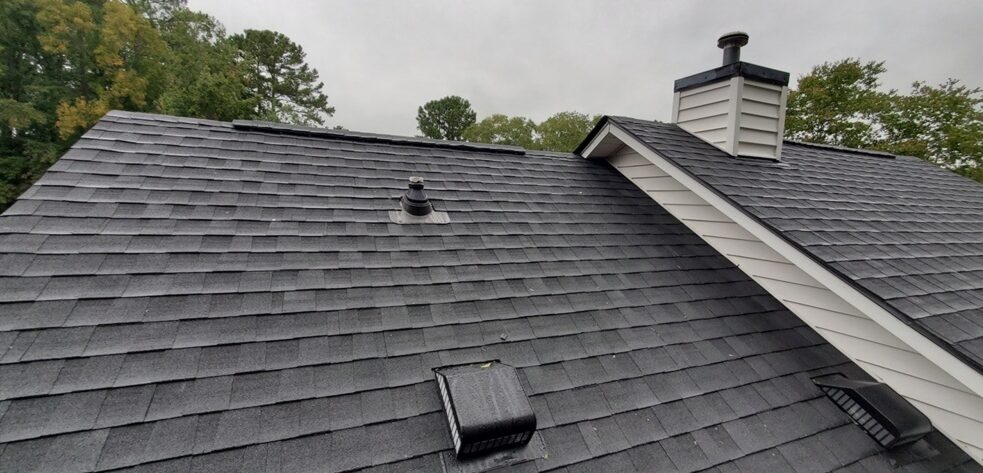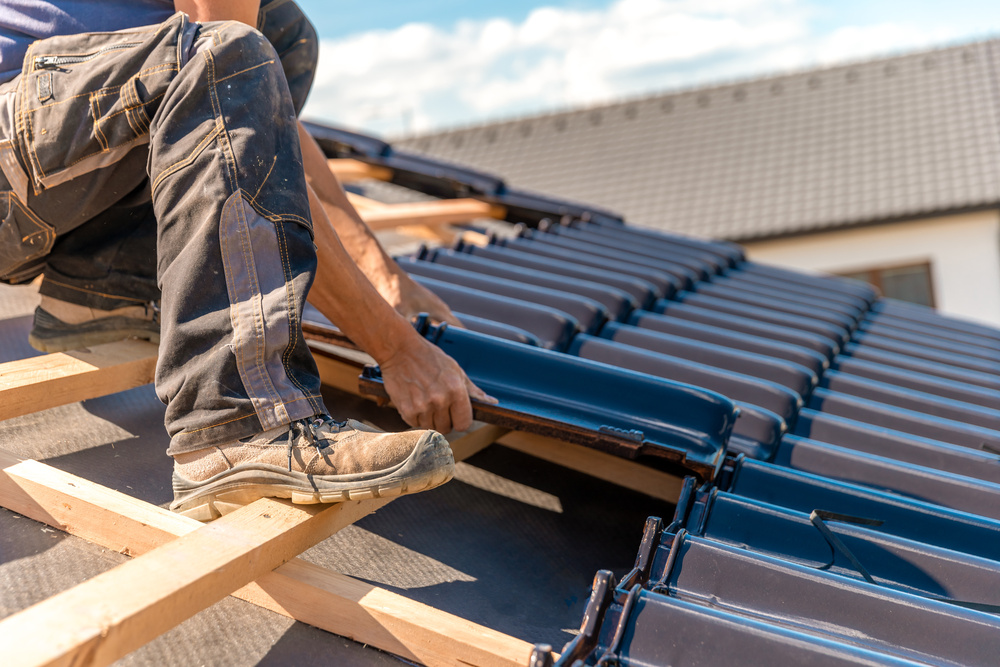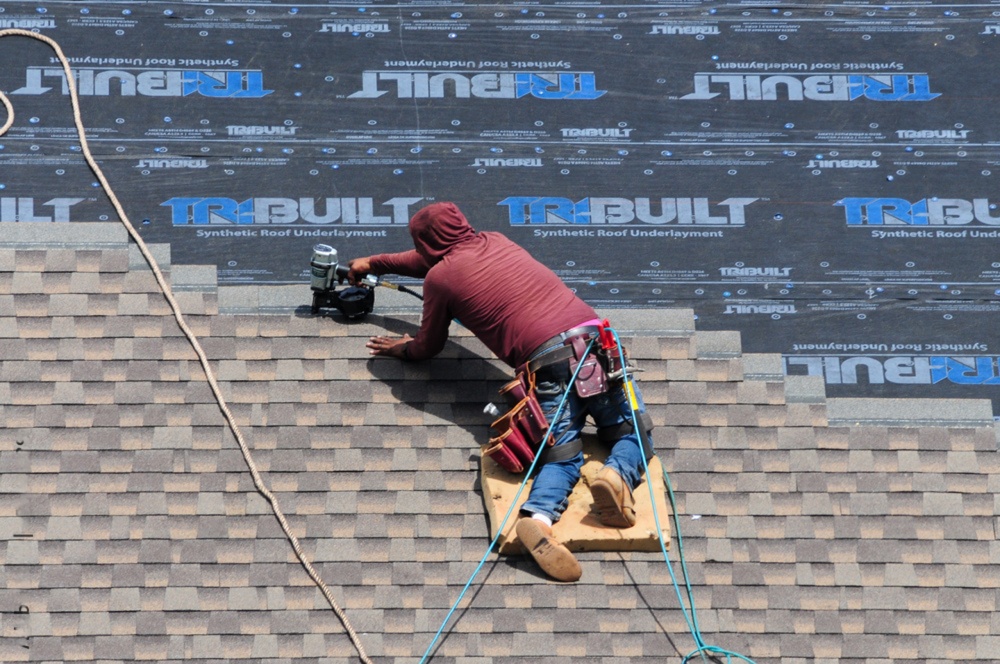
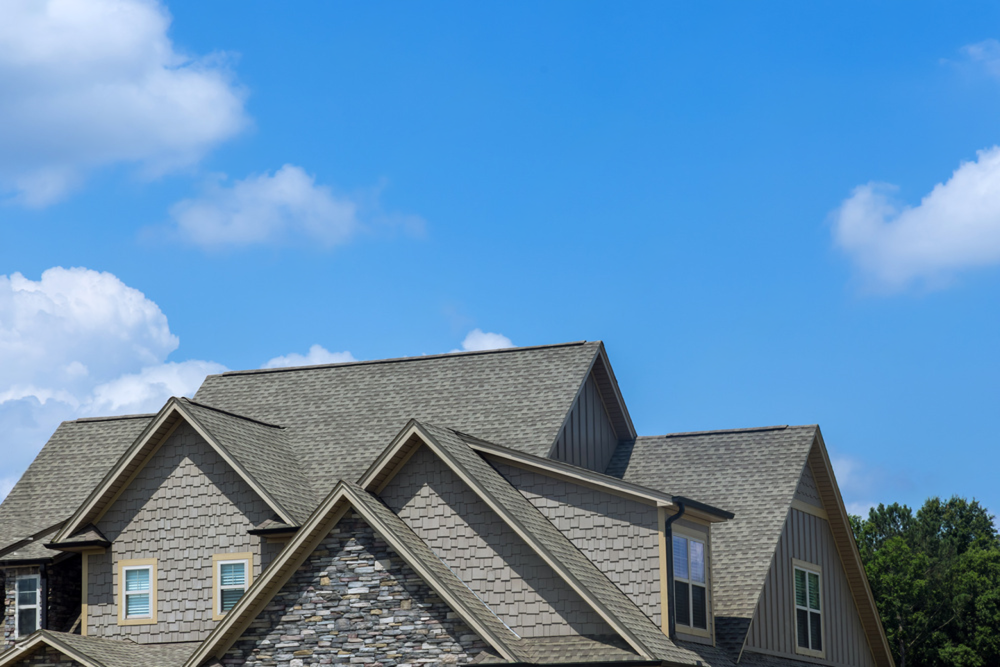
Architectural shingles for Southwest Florida homes combine practical roof protection with a dimensional appearance suited to many residential styles. Southwest Florida roofs regularly face intense sun, humidity, heavy rain, and strong winds that can accelerate roofing wear. These conditions make material quality, installation, and ongoing roof condition important considerations when homeowners compare shingle systems.
Architectural shingles use a layered construction that creates greater dimension than traditional three-tab shingles. Galloway Roofing offers GAF-certified asphalt, architectural, and impact-resistant shingles for residential roofing projects.
Understanding their performance characteristics helps homeowners decide whether architectural shingles fit their roof, property, and long-term priorities.
Key Takeaways
- Architectural shingles combine layered construction, dimensional appearance, and durable performance for Florida homes.
- Wind, humidity, rainfall, and intense sunlight make shingle selection especially important in Southwest Florida.
- Product ratings, algae protection, installation quality, and warranty terms should guide material comparisons.
- Roof condition should determine whether damaged shingles require targeted work or broader replacement.
Why Architectural Shingles Suit Southwest Florida Roofing Needs
Southwest Florida roofing materials must perform through persistent heat, humidity, heavy rainfall, and seasonal storms. Architectural shingles offer a layered design and performance features that can address several of these regional roofing demands. The benefits of architectural shingles become clearer when homeowners consider both environmental exposure and the condition of their existing roof.
These characteristics explain why architectural shingles can suit homes across Southwest Florida.
Provides Greater Durability Through Layered Construction
Traditional shingles can offer reliable protection, but their flatter construction differs from the heavier layered design of architectural products. Architectural shingles use multiple material layers to create additional thickness and dimensional structure across the roof surface. This construction contributes to architectural shingle durability while giving homeowners a more substantial roofing profile.
For aging shingle systems, architectural shingle replacement options can address widespread deterioration while maintaining the familiar benefits of asphalt roofing.
Handles Wind Exposure With Performance-Rated Products
Strong winds can loosen, lift, or remove shingles when roofing products and installation methods are not suited to local conditions. Architectural shingles are available with wind-performance ratings designed for demanding environments when installed according to applicable requirements. These characteristics make product ratings especially relevant for homes in exposed areas such as Fort Myers and Cape Coral.
Homeowners should compare the wind rating and installation requirements of the specific shingle product being considered. Product selection alone cannot replace proper installation.
Resists Algae in Florida’s Humid Climate
Persistent warmth and humidity can encourage algae growth that leaves dark streaks across asphalt roofing. Architectural shingle systems with algae-resistant features can help limit staining under conditions common along Florida’s Gulf Coast. This protection can help roofing maintain a cleaner appearance as it faces prolonged moisture and humidity.
GAF Timberline HDZ shingles with StainGuard Plus provide algae resistance relevant to Southwest Florida conditions. Product-specific protection should still be reviewed before selecting a shingle system.
Adds Dimension to the Roof’s Appearance
Traditional three-tab shingles create a relatively uniform pattern that may not provide the visual depth some homeowners prefer. Architectural shingles use layered profiles and varied patterns to create more dimension across visible roof surfaces. This difference is central to architectural shingles vs. traditional shingles when homeowners compare appearance alongside practical roofing performance.
Color and profile should complement the home’s exterior without becoming the only selection criteria. Performance characteristics remain especially important in Southwest Florida.
Supports Roof Protection During Florida Weather
Florida weather can expose shingles to repeated cycles of heat, rainfall, wind, and storm-related debris. Architectural shingles for Florida weather can provide dependable protection when the selected system matches local conditions and receives proper installation. Their combination of layered construction and available performance features makes them practical for many Southwest Florida homes.
After severe weather, addressing storm-related roof damage can establish whether shingles remain secure or require further attention.
Key Priorities When Choosing Architectural Shingles
Architectural shingles vary by manufacturer, product line, performance rating, appearance, and warranty terms. Homeowners should compare those differences rather than treating every architectural shingle as an equivalent roofing product. The right priorities can help narrow options for homes in Sarasota, Port Charlotte, Fort Myers, and surrounding Gulf Coast communities.
These five considerations can guide a more informed architectural shingle selection.
Compare Wind Ratings for Local Conditions
A shingle’s architectural design does not automatically mean every product provides identical performance during high winds. Comparing documented wind ratings helps homeowners identify products designed for the conditions their Southwest Florida property may experience. This matters because coastal and storm exposure can place significant uplift forces on a roofing system.
Homeowners should review the specific product rating alongside applicable installation requirements. Both factors contribute to the roofing system’s expected wind performance.
Evaluate Algae Protection for Humid Conditions
Humidity can contribute to dark algae staining that changes the appearance of asphalt shingles over time. Choosing shingles with documented algae-resistant features can help address a common concern in warm, moisture-heavy Florida conditions. This feature is particularly relevant where roofs experience prolonged humidity and frequent rainfall.
Homeowners comparing products should examine the manufacturer’s stated algae protection and applicable warranty terms. These details can vary between architectural shingle lines.
Match Shingle Condition to the Project Scope
Visible shingle damage does not always reveal whether deterioration is isolated or widespread across the roofing system. Homeowners can have their roof professionally inspected to document wear before determining the appropriate project scope. This evaluation matters because missing shingles, granule loss, leaks, and aging can indicate different roofing needs.
When deterioration extends across the system, replacing an aging or damaged roof may address conditions that isolated shingle work cannot resolve.
Review Product and Installation Warranty Terms
Homeowners can focus heavily on shingle appearance while overlooking warranty differences between roofing products and installation arrangements. Reviewing written warranty terms clarifies covered materials, eligibility requirements, coverage periods, and applicable exclusions before installation begins. These details matter because long-term protection can differ between manufacturers and roofing systems.
Galloway Roofing’s GAF Master Elite certification provides access to GAF Golden Pledge coverage on qualifying installations. Eligibility depends on the applicable system and warranty requirements.
Balance Appearance With Roofing Performance
Color and dimensional texture can influence curb appeal, but appearance alone does not determine whether shingles suit Southwest Florida conditions. Homeowners should balance visual preferences with wind ratings, algae protection, product quality, and other documented performance characteristics. This approach keeps roof protection central while still allowing the finished system to complement the home’s exterior.
Homeowners in Naples, Sarasota, and other Gulf Coast communities can compare colors after narrowing products by practical roofing requirements.
Choose Architectural Shingles With Southwest Florida Conditions in Mind
Architectural shingles can provide dimensional appearance and dependable roof protection when the selected product matches the home’s needs and local weather exposure. Galloway Roofing works with architectural shingle systems for homeowners across Florida’s Gulf Coast, including Southwest Florida communities.
Request a free estimate to discuss your roof’s condition and available architectural shingle options. A roof evaluation can help clarify whether shingle replacement or a broader roofing project fits the property’s current needs.
Frequently Asked Questions
What are architectural shingles?
Architectural shingles are asphalt roofing products constructed with layered materials that create greater dimension than traditional three-tab shingles. Product designs vary, but architectural shingles commonly combine a more dimensional appearance with performance features suited to residential roofing.
Are architectural shingles suitable for Southwest Florida homes?
Architectural shingles can suit Southwest Florida homes when the selected product and installation meet applicable roofing requirements. Homeowners should consider wind ratings, algae resistance, warranty terms, roof condition, and other performance characteristics when comparing available products.
How are architectural shingles different from traditional shingles?
Architectural shingles generally use a thicker, layered design that creates more visual depth than traditional three-tab shingles. Performance varies by product, so homeowners should compare documented wind ratings, algae protection, warranties, and installation requirements rather than appearance alone.
What should homeowners check before choosing architectural shingles?
Homeowners should compare product ratings, algae protection, warranty terms, installation requirements, color, and overall roof condition. Southwest Florida’s heat, humidity, rainfall, and storm exposure make documented performance characteristics particularly important when evaluating an architectural shingle system.