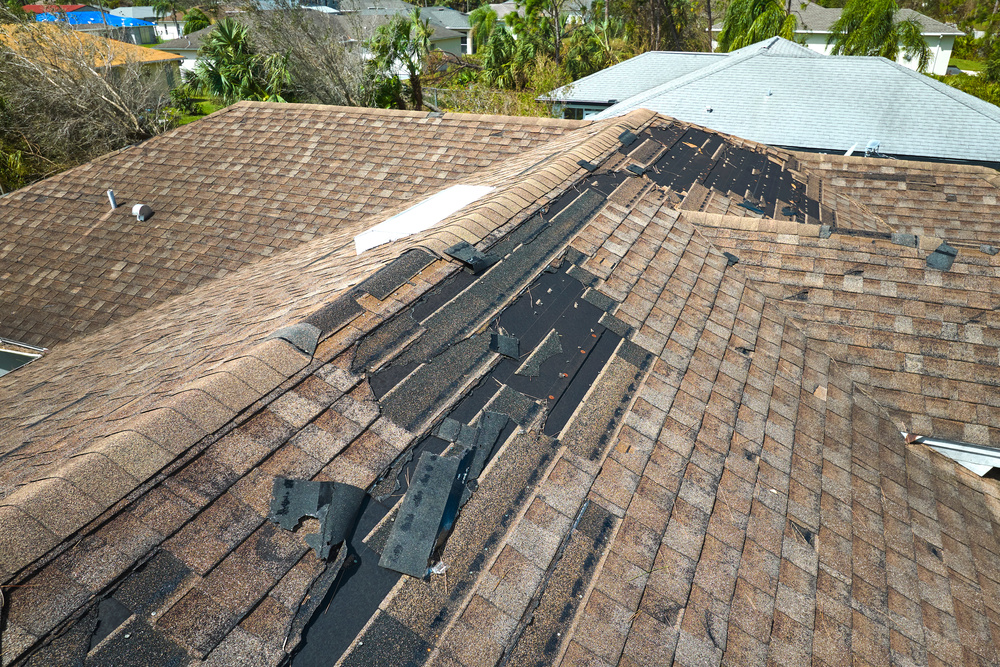
Southwest Florida roofs face constant exposure from intense sunlight, seasonal storms, and strong coastal winds throughout the year. Homes in Sarasota, Venice, and Port Charlotte often experience faster roofing wear because of prolonged heat and sudden weather shifts. Understanding how local conditions affect roofing systems helps homeowners make smarter maintenance decisions before costly structural damage develops.
Key Takeaways
- Southwest Florida heat can weaken roofing materials faster than many homeowners expect.
- Seasonal wind exposure often loosens shingles, flashing, and roof edges over time.
- Routine inspections help identify hidden moisture and storm-related damage before repairs become extensive.
- Professional maintenance improves roof lifespan and supports long-term weather protection across Gulf Coast homes.
How Southwest Florida Weather Shortens Roof Lifespan
Southwest Florida weather creates year-round pressure on residential roofing systems through heat, humidity, rainfall, and tropical storm activity. Roofing materials in Punta Gorda and North Port often expand and contract daily because of fluctuating surface temperatures. These environmental conditions gradually weaken protective layers and increase the likelihood of moisture intrusion across aging roof systems.
Intense Heat Weakens Roofing Materials Faster
Southwest Florida rooftops regularly absorb extreme heat that causes shingles and underlayment materials to deteriorate more rapidly. Prolonged sun exposure often dries protective oils within asphalt shingles, leading to cracking and curling along roof surfaces. Many homeowners notice aging symptoms earlier when older systems lack proper ventilation or routine roof inspection from professionals.
Strong Coastal Winds Loosen Roofing Components
Frequent Gulf Coast wind activity gradually weakens flashing, ridge caps, and fastening systems across residential roofing structures. Even moderate storms in Englewood and Venice can loosen roofing materials without creating immediately visible interior leaks. Timely evaluations following wind exposure often help protect surrounding structural areas before larger roof repair needs develop.
Heavy Rainfall Increases Moisture Intrusion Risks
Seasonal downpours place continuous stress on drainage systems and vulnerable roof transitions throughout Southwest Florida neighborhoods. Water commonly enters through aging seals around vents, valleys, and flashing, where long-term exposure weakens protective barriers. Homes with properly maintained gutter installation systems generally experience better water control during prolonged summer storms.
Humidity Encourages Algae and Surface Deterioration
High humidity levels across coastal communities support algae growth that gradually affects roofing appearance and material performance. Moisture trapped beneath roofing surfaces may also contribute to underlayment deterioration and hidden decking concerns over time. Many property owners reduce long-term exposure by maintaining airflow and scheduling professional maintenance from experts when discoloration appears.
Seasonal Storm Cycles Accelerate Aging Conditions
Repeated storm exposure throughout hurricane season creates cumulative wear that slowly impacts overall roof stability and performance. Older systems often experience seal breakdown, granule loss, and edge lifting after years of continuous tropical weather patterns. Homes upgraded with durable metal roofing materials frequently handle prolonged wind exposure more effectively across Southwest Florida climates.
When Gulf Coast Homeowners Should Plan Roof Inspections
Roof inspections play an important role in identifying developing issues before severe weather conditions create larger structural concerns. Many Southwest Florida homeowners wait until interior leaks appear, even though exterior warning signs often develop much earlier. Consistent inspection scheduling helps protect roofing investments while improving storm readiness throughout the year.
Schedule Inspections Before Hurricane Season Starts
Late spring inspections help homeowners identify vulnerable roofing areas before summer storm systems begin moving through the Gulf Coast region. Roofing professionals commonly evaluate flashing stability, drainage flow, and wind resistance before severe weather conditions intensify. Homes with aging tile roofing systems especially benefit from preventative evaluations before hurricane season arrives.
Inspect Roofs After Major Wind Events
Strong windstorms frequently create hidden damage that remains unnoticed until moisture enters interior living spaces weeks later. Missing fasteners, lifted shingles, and displaced flashing often appear after tropical weather affects Sarasota and Port Charlotte neighborhoods. Early post-storm assessments can help determine whether targeted storm-damage restoration work may prevent the need for larger structural repairs.
Plan Annual Inspections for Older Roof Systems
Roofs approaching advanced age generally require closer monitoring because material performance naturally declines over time. Small surface cracks and seal failures often expand quickly under Southwest Florida heat and seasonal rainfall conditions. Older homes sometimes transition more successfully into long-term protection plans through updated roof replacement evaluations.
Monitor Roof Drainage and Ventilation Systems
Roof drainage and attic ventilation systems should receive regular inspections to support long-term roofing performance across Southwest Florida homes. Heavy rainfall and prolonged heat exposure can gradually affect airflow efficiency and water movement around vulnerable roof areas.
Homes with balanced attic ventilation and properly functioning drainage systems often experience better moisture control during severe seasonal weather conditions.
Check Drainage Systems During Rainy Months
Blocked drainage pathways can quickly increase standing water exposure during Southwest Florida’s extended rainy season conditions. Overflowing gutters and clogged downspouts frequently direct moisture toward fascia boards and roof edges during prolonged storms. Homes with properly maintained gutter systems generally experience fewer drainage-related roofing issues during heavy summer rainfall.
Protect Your Southwest Florida Roof Before Weather Damage Spreads
Galloway Roofing has helped homeowners protect properties across Southwest Florida since 2012 with roofing solutions built for demanding Gulf Coast weather conditions. Intense heat, seasonal storms, and coastal wind exposure continue affecting roofs throughout Sarasota, Punta Gorda, and Fort Myers each year. Experienced roofing evaluations help homeowners identify developing damage before structural issues become more expensive to address.
Schedule your free estimate today.
Galloway Roofing also extends trusted roofing support throughout the Tampa Bay region, including homes in Tampa, Clearwater, St. Petersburg, New Port Richey, and Brandon. Homeowners across these communities continue relying on experienced coastal roofing crews for long-term protection, storm readiness, and durable roofing performance backed by consistent local project experience.
Frequently Asked Questions
How often should Southwest Florida homeowners schedule roof inspections?
Most homeowners should schedule professional roof inspections at least once each year and after major storms. Gulf Coast weather creates constant exposure to heat, wind, and heavy rain, which can gradually weaken roofing materials even without visible interior leaks.
Can extreme heat really damage roofing systems?
Yes, prolonged heat exposure accelerates material deterioration by drying shingles, weakening sealants, and stressing underlayment systems. Southwest Florida roofs regularly experience intense surface temperatures that contribute to cracking, curling, and faster aging over time.
What roofing materials perform best in coastal Florida climates?
Metal, tile, and high-quality asphalt systems commonly perform well in Southwest Florida because they offer strong wind resistance and durability. Material selection often depends on budget, home structure, maintenance goals, and local weather exposure patterns.
Why is post-storm roof inspection important?
Storm damage is not always visible from the ground, especially after moderate wind events or heavy rainfall. Early inspections help identify loose materials, flashing movement, and hidden moisture concerns before larger structural problems develop.