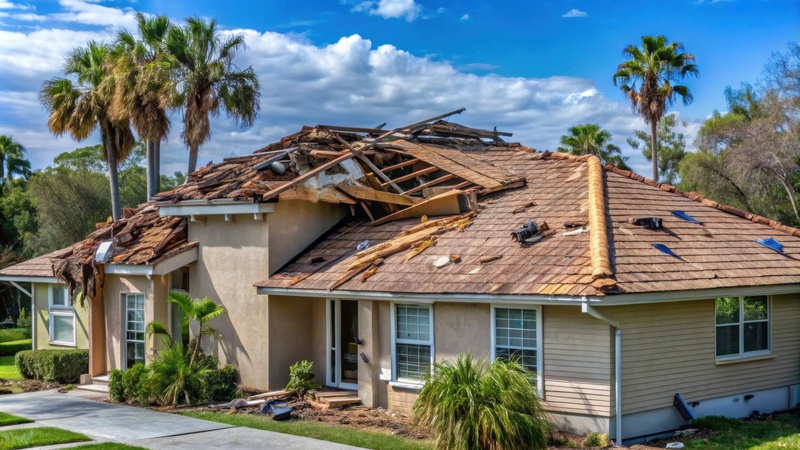
After a hurricane moves through Southwest Florida, the damage left behind is not always obvious. A roof may look intact from the driveway while hidden wind damage, lifted shingles, and water intrusion continue spreading beneath the surface.
Homes across Englewood, Sarasota, Charlotte County, Lee County, and Collier County face repeated exposure to heavy rain, humidity, and tropical weather after a storm. Identifying roofing and exterior damage early can help prevent leaks, structural deterioration, and more expensive repairs in the weeks that follow.
Key Takeaways
- Hurricane damage often remains hidden until leaks or structural issues become visible.
- Missing roofing materials can allow water intrusion during future storms and rainfall.
- Proper documentation supports smoother insurance claim reviews after severe weather.
- Early repairs help prevent small roofing issues from becoming larger restoration projects.
Key Roof and Exterior Damage to Check After Southwest Florida Hurricanes
After a hurricane passes, homeowners should focus on the areas most vulnerable to wind and water intrusion. Many forms of damage are not immediately obvious but can worsen quickly during Southwest Florida’s rainy conditions. This checklist highlights the most important areas to evaluate before additional deterioration occurs.
Inspect Missing or Lifted Shingles
Strong hurricane winds frequently loosen or remove shingles across roofs in Sarasota, Englewood, and surrounding Gulf Coast communities. Missing materials expose underlayment to moisture, creating conditions that often lead to leaks and the need for damaged shingle replacement before additional weather exposure occurs. Addressing these areas quickly helps preserve the roof’s ability to resist future storms.
Homeowners should document affected sections with photographs and monitor for signs of water intrusion following heavy rainfall.
Check Flashing Around Roof Penetrations
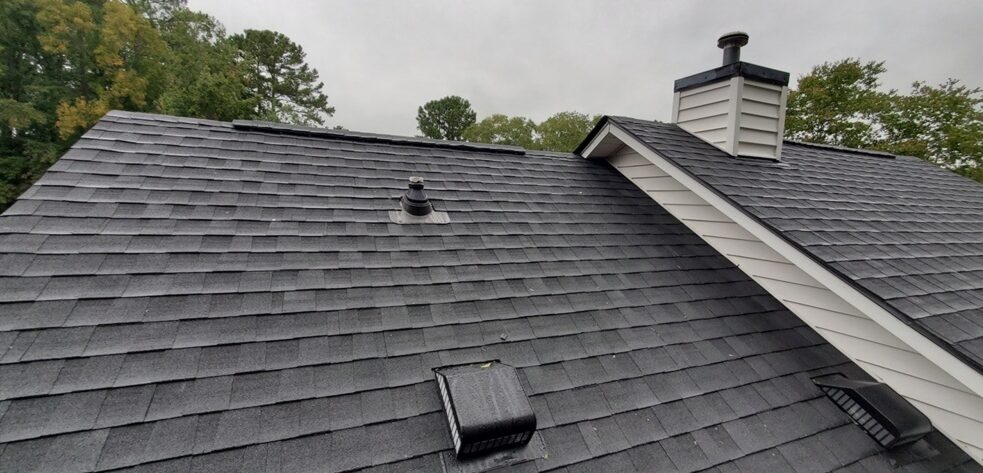
Flashing around vents, skylights, and chimneys often experiences movement during hurricanes, creating vulnerable openings for water entry. Small separations can allow moisture beneath roofing materials, leading to hidden deterioration that may later require roof repair services to address developing damage. Early identification helps reduce the likelihood of widespread structural concerns.
A visual inspection from the ground can reveal displaced metal components that deserve closer professional evaluation.
Look for Gutter and Drainage System Damage
Hurricane debris commonly bends gutters, loosens fasteners, and obstructs drainage pathways throughout Charlotte and Lee counties. Damaged drainage systems can direct water toward roof edges and exterior walls, increasing the risk of moisture-related deterioration that may affect surrounding roofing components. Proper drainage remains critical during Southwest Florida’s extended rainy season.
Homeowners should remove visible debris and verify that water flows freely away from the home during the next rainfall.
Examine Exterior Surfaces for Impact Damage
Flying debris often strikes roofing materials, siding, soffits, and other exterior components during severe storms. Even when damage appears minor, impact areas can compromise protective surfaces and create vulnerabilities that become more serious over time, making a thorough storm damage assessment valuable after significant weather events. Early detection helps prevent hidden deterioration from spreading.
Photograph all visible impact marks and monitor those locations for changes after future weather exposure.
Prioritize Repairs, Documentation, and Insurance Claim Steps
Once visible damage has been identified, homeowners should focus on protecting the property and organizing documentation. Taking the right steps early can help limit further damage and support future insurance discussions. A structured approach often reduces delays and confusion during the recovery process.
Document All Visible Damage Immediately
Storm damage can change quickly as additional rain and wind affect already weakened areas. Clear photographs, videos, and written notes create a record of conditions immediately after the hurricane and help establish the extent of damage before temporary repairs occur. Thorough documentation often becomes an important part of the claims process.
Store digital copies in multiple locations to ensure records remain accessible throughout recovery efforts.
Address Active Leaks and Emergency Conditions
Active water intrusion should receive immediate attention because moisture can spread rapidly through insulation, ceilings, and structural components. Temporary protective measures may help reduce additional damage while homeowners arrange necessary evaluations and determine whether broader roof replacement options may be required. Preventing ongoing water exposure remains a top priority.
Monitor affected interior areas regularly and remove valuables from locations vulnerable to continued leakage.
Schedule a Professional Roof Evaluation
Many forms of hurricane damage are difficult to identify without a detailed inspection of roofing materials and structural components. A professional roof inspection can uncover hidden issues that may not be visible from the ground while providing documentation that supports repair planning and insurance reviews. Early evaluations often prevent overlooked damage from becoming larger problems.
Scheduling an assessment soon after the storm helps establish a clearer picture of the roof’s overall condition.
Organize Insurance Information and Claim Records
Insurance carriers often request inspection reports, photographs, repair estimates, and records showing storm-related damage. Maintaining organized documentation can simplify communication and improve efficiency during the claims process, particularly when homeowners require insurance claim assistance to navigate storm-related roofing concerns. Complete records help support accurate claim evaluations.
Keep all correspondence, receipts, and inspection documents together throughout the recovery period.
Protect Your Southwest Florida Home Before Problems Get Worse
Hurricane damage can continue worsening long after a storm passes. Homeowners throughout Englewood, Sarasota, Charlotte County, Lee County, and Collier County should address roofing concerns before additional weather creates larger problems.
Since 2012, Galloway Roofing has completed more than 30,000 projects across Southwest Florida up to the Tampa Bay area. As a GAF Master Elite Certified Contractor, the company provides proven expertise for storm-related roofing concerns. Those credentials help homeowners feel confident in the condition of their roof.
Request a free estimate or contact our team to schedule an inspection or evaluation. A professional assessment can help identify damage and support informed repair decisions.
Frequently Asked Questions
How soon should I inspect my roof after a hurricane?
Inspect your property as soon as conditions are safe. Early inspections help identify visible damage before additional rainfall worsens existing problems and provide valuable documentation for future insurance discussions.
What hurricane damage is most commonly missed by homeowners?
Lifted shingles, flashing movement, and small impact areas are often overlooked. These issues may appear minor initially but can allow moisture intrusion that leads to larger roofing concerns.
Should I make temporary repairs before filing an insurance claim?
Homeowners should take reasonable steps to prevent additional damage, such as protecting active leaks. However, documenting conditions thoroughly before significant repairs helps preserve evidence of storm-related damage.
When should I schedule a professional roof inspection after a storm?
A professional evaluation should be scheduled whenever visible damage exists or after significant hurricane activity. Inspections often uncover hidden issues that are difficult to identify from the ground and support informed repair decisions.