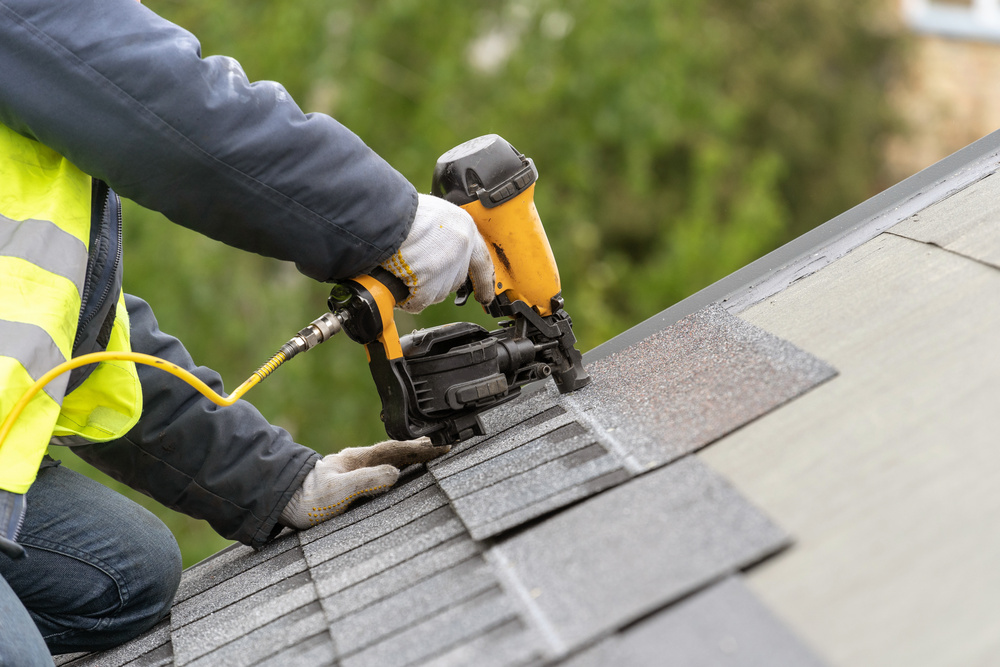
A full roof replacement on a Gulf Coast home follows a structured process built to meet Florida code and withstand coastal conditions. From the initial tear-off to final installation, each step plays a critical role in protecting your home from wind, rain, and long-term moisture intrusion. Understanding how this process works helps homeowners make informed decisions about materials, timelines, and overall project expectations.
For Englewood homeowners, knowing what happens during a roof replacement reduces surprises and improves planning before storm season. It also ensures you are prepared to evaluate contractor recommendations with clarity and confidence.
Key Takeaways
- A roof replacement on a Gulf Coast home typically involves tear-off, deck inspection, underlayment installation, and new material installation in that order.
- The Florida Building Code requires specific underlayment standards and wind-uplift compliance, which directly affects replacement costs and timelines.
- The cost of roof replacement in Florida varies, but homeowners can expect to pay between $8,000 and $25,000 on average, depending on material and complexity.
- Scheduling a professional roof inspection before storm season helps Englewood homeowners catch problems before they become emergencies.
The Roof Replacement Process for Gulf Coast Homes
Replacing a roof in Englewood, FL, is not the same as replacing one in Atlanta or Chicago. Salt air off Lemon Bay, intense UV exposure, and seasonal storms make every step of the process more consequential. Each phase of a Gulf Coast roof replacement is designed to protect the home against these specific environmental conditions.
This section covers the removal of the old roof, installation of code-compliant underlayment, and placement of the final roofing material.
Begin the Process by Removing the Existing Roof and Inspecting the Deck
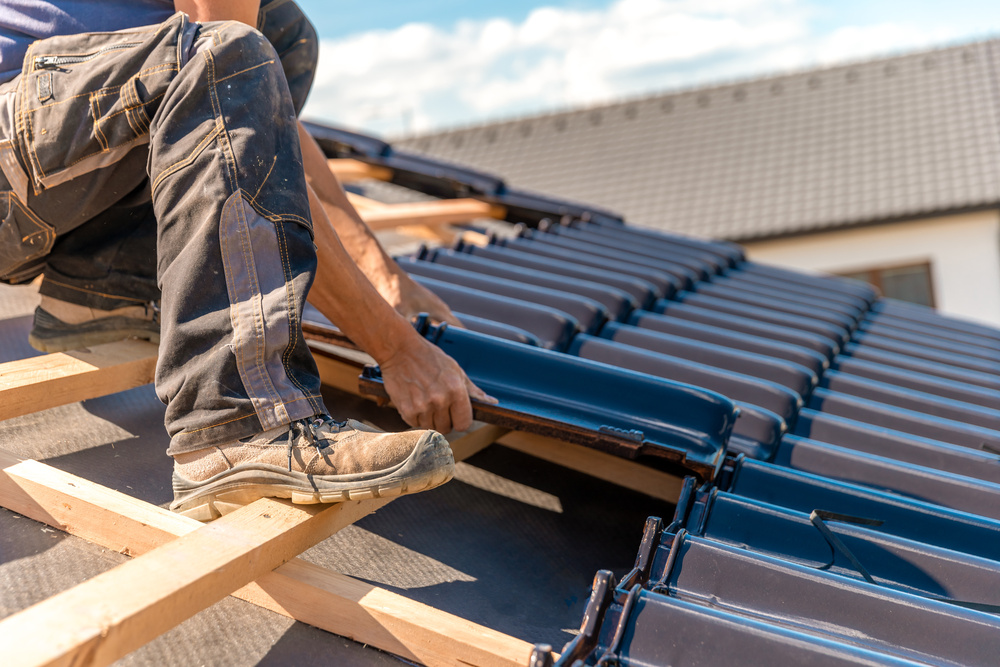
The tear-off phase removes all existing roofing materials, fully exposing the structural decking system beneath. Contractors carefully inspect for soft spots, rot, and moisture damage that could compromise the long-term performance of the new roofing system. Coastal homes often reveal hidden deterioration caused by prolonged exposure to humidity and repeated cycles of wind-driven rain.
Addressing deck damage before installation ensures the new roofing system has a stable foundation and performs reliably under Florida’s demanding coastal conditions.
Follow Code Requirements by Installing Proper Underlayment
Underlayment is installed directly over the decking to create a continuous water-resistant barrier beneath the final roofing material system. The Florida Building Code typically requires two layers of underlayment to meet strict wind resistance and moisture protection standards. This layer plays a critical role in preventing wind-driven rain from penetrating beneath shingles or panels during severe tropical storm conditions.
Selecting the correct underlayment system helps reduce leak risk and ensures the entire roofing assembly meets Florida’s current building code requirements.
Complete the System by Choosing Materials Built for Coastal Conditions
Material selection directly impacts how well the roof performs against salt exposure, high winds, intense sunlight, and long-term environmental wear. Upgrading to an asphalt shingle provides a cost-effective solution, while tile and metal roofing systems offer stronger durability and improved resistance to coastal weather conditions. Each material option varies in lifespan, maintenance requirements, and energy efficiency, making selection an important part of the overall replacement process.
Choosing the right material ensures the roofing system aligns with both environmental demands and the homeowner’s long-term performance expectations.
How to Prepare and Plan Timing for Insurance Claims
After major storms impact homeowners across Southwest Florida and the Tampa Bay area, insurance claim deadlines can arrive quickly. Acting quickly, documenting damage thoroughly, and understanding your policy language are the three pillars of a successful claim.
This section covers how to document damage, work with an adjuster, and schedule the replacement around Florida’s busy storm season.
Document Roof Damage Before You Call Your Insurer
The first step after a storm is accurate documentation of every visible issue. That means photographing damaged shingles, displaced flashing, and any interior water staining from above before cleanup begins.
A professional roof inspection produces a written damage report that supports your claim and establishes a clear record of what the storm caused. Adjusters rely on this type of documentation to differentiate storm damage from pre-existing wear, which is a distinction that directly affects claim approval.
Understand What Florida Homeowner Policies Typically Cover
Insurance may cover part of the cost of roof replacement in Florida when damage results from storms, hurricanes, or other covered events. Policies generally do not cover issues caused by normal wear, aging materials, or long-term deterioration.
Reading your policy declarations page before a storm hits helps you understand your deductible and any exclusions specific to roofing systems. In areas like Port Charlotte, many homeowners have separate hurricane deductibles that apply when a named storm causes damage.
Understanding that distinction before you file prevents costly delays in getting your replacement started.
Schedule Your Replacement Around Storm Season and Contractor Availability
Florida’s hurricane season runs from June through November, and contractor availability tightens sharply after major storm events across Southwest Florida.
Scheduling a roof replacement in the spring, such as April or May, allows time for permitting and avoids the post-storm surge in demand that drives up timelines. Regular roof maintenance helps identify borderline systems early, giving homeowners the flexibility to plan a replacement on their own schedule rather than after an emergency.
Proactive timing is the most practical way to control both cost and stress.
Make Smarter Roof Replacement Decisions for Your Gulf Coast Home
Galloway Roofing serves homeowners across Gulf Coast communities from Tampa Bay and Sarasota down to Port Charlotte, Venice, and Fort Myers. Our team provides professional roof replacement, inspections, and storm restoration services throughout Southwest Florida.
Whether you are planning or responding to storm damage, our team provides clear guidance throughout every stage of the process. Our completed projects across the region reflect dependable workmanship, consistent communication, and long-term performance built for Florida conditions.
Contact us today to schedule a free estimate and get straightforward answers about your home’s next steps.
Frequently Asked Questions
How much does a roof replacement typically cost in Florida
The cost of roof replacement in Florida varies, but homeowners can expect to pay between $8,000 and $25,000 on average. The final price depends on roofing material type, installation complexity, and labor costs in the region.
What roofing material holds up best on Florida’s Gulf Coast
Tile and metal roofing systems perform well in coastal conditions because they resist salt air and carry high wind ratings. Asphalt shingles offer a lower replacement roof cost upfront but may require more frequent maintenance in high-humidity environments.
Does homeowners’ insurance cover a full roof replacement in Florida
Insurance typically covers storm-related roof damage from hurricanes or severe weather events. Policies generally do not cover replacement due to age, neglect, or normal wear. A professional inspection report strengthens your claim significantly.
How do I know if my roof needs repair or a full replacement
Missing or curling shingles, active leaks, and granules collecting in gutters are signs worth evaluating with a licensed contractor. A professional roof inspection identifies whether targeted repairs will hold or whether a full replacement is the more cost-effective path forward.