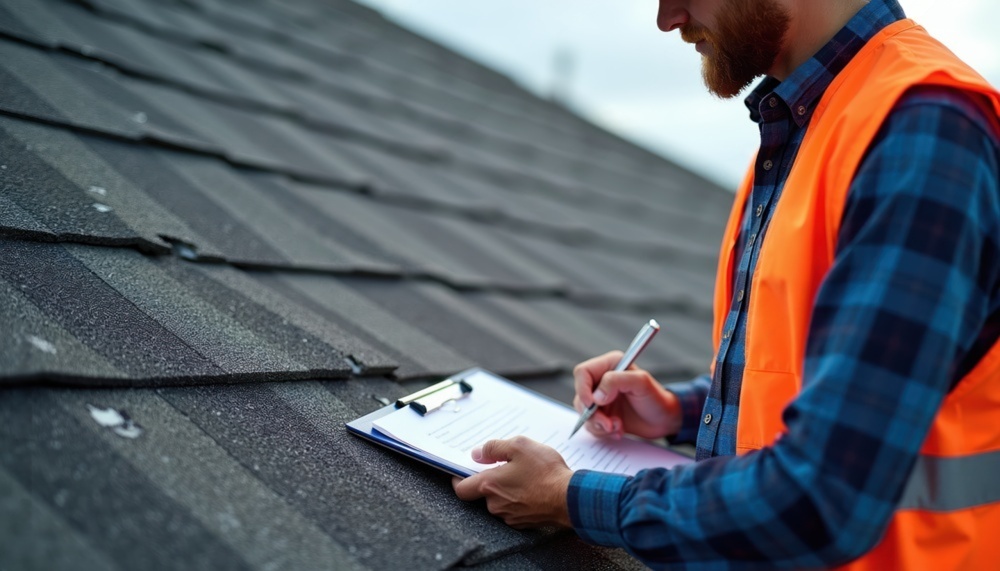
Roof insurance claims can be confusing for homeowners across Southwest Florida, especially after severe storms or unexpected damage. While many policies provide coverage for sudden events, insurance companies often deny claims related to age, neglect, or ongoing maintenance issues. Understanding what is typically covered and what is not can help homeowners make informed decisions before filing a claim.
Key Takeaways
- Storm-related roof damage is often covered when documented promptly after the event.
- Insurance policies usually exclude damage caused by aging, neglect, or poor maintenance.
- Early inspections help identify covered damage before conditions worsen.
- Policy details and claim documentation often influence final coverage decisions.
What Roof Insurance Typically Covers in Southwest Florida
Insurance coverage usually focuses on sudden, accidental events rather than gradual deterioration. Homeowners throughout Englewood, Sarasota, Port Charlotte, North Port, Venice, and Fort Myers often encounter similar claim situations after severe weather. The following examples highlight common roof damage scenarios that insurers may consider covered under many standard policies.
Wind Damage From Hurricanes and Severe Storms
High winds can lift shingles, crack tiles, damage flashing, and expose underlying roofing materials. Because this damage results from a sudden weather event, it is often reviewed as a covered loss under many policies. Prompt inspections and documentation help establish when the damage occurred.
Hail Damage to Roofing Materials
Hail can fracture shingles, crack tiles, dent metal roofing panels, and weaken protective roofing surfaces. Insurance companies frequently evaluate impact patterns and weather data when determining whether the damage resulted from a specific storm event.
Damage Caused by Fallen Trees and Storm Debris
Falling trees, branches, and wind-blown debris can puncture roofing systems and create immediate structural damage. Because these incidents occur suddenly, they are commonly evaluated differently from long-term deterioration or maintenance-related issues.
Water Intrusion Caused by Storm-Created Openings
When wind or debris creates an opening in the roof, water entering through that opening may qualify as covered damage under many policies. Insurance providers often review whether the opening resulted from a covered weather event rather than age-related wear.
Lightning and Fire Damage
Lightning strikes and fire-related roof damage are often covered under standard homeowners insurance policies. These events can damage roofing materials, structural components, and surrounding areas of the property, often requiring significant repairs or full roof replacement.
Key Claim Steps and Coverage Decisions to Review First
Insurance outcomes often depend on documentation, timing, and policy language. Homeowners across Southwest Florida benefit from understanding the review process before filing a claim. The following considerations can help clarify coverage expectations and avoid unnecessary delays.
Review Policy Language Before Filing a Claim
Many homeowners assume all roof damage is covered, but policy exclusions vary significantly. Reviewing deductible amounts, exclusions, and coverage limits helps establish realistic expectations before submitting a claim. Understanding policy terms may also reduce confusion during claim reviews.
A careful policy review often reveals important requirements for reporting timelines and documentation.
Distinguish Between Storm Damage and Roof Aging
Insurance generally covers sudden events rather than gradual deterioration from age. Roofing materials exposed to years of Florida heat and humidity may deteriorate naturally without qualifying for coverage. This distinction frequently becomes a deciding factor during claim evaluations in Sarasota and Fort Myers.
Professional documentation can help clarify whether damage resulted from a covered event or normal wear.
Gather Inspection Reports and Supporting Evidence
Insufficient documentation can complicate claim approval even when legitimate damage exists. Inspection reports, photographs, and repair records help establish the condition of the roof before and after a loss event. These records often strengthen communication with adjusters reviewing storm damage claims.
Organizing evidence early may help avoid delays during the investigation process.
Understand Partial Versus Full Replacement Decisions
Insurance companies do not automatically approve complete roof replacements for every claim. Coverage decisions often depend on the extent of damage, repair feasibility, and policy requirements. In some situations, localized roof repair work may be approved instead of full replacement.
Reviewing the adjuster’s findings carefully helps homeowners understand the basis of the decision.
Consider Commercial Property Coverage Differences
Commercial roofing claims often involve different coverage provisions than residential policies. Building use, roofing systems, and policy endorsements can all affect claim outcomes. Property owners managing commercial roofing assets should review coverage requirements carefully before initiating a claim.
Consulting policy documents early can help clarify responsibilities and available coverage options.
Gain Confidence in Your Roof Insurance Decisions Throughout Southwest Florida
Insurance claims often move more smoothly when homeowners understand the documentation process and coverage requirements. Whether damage resulted from wind, debris, or another covered event, early evaluations can help establish the condition of the roof before further deterioration occurs.
If you need a free estimate following a recent storm or roofing concern, Galloway Roofing serves homeowners throughout Sarasota, Charlotte, and Lee counties. Our service area also extends north through the Tampa Bay region. Contact our team to discuss roofing conditions, inspection findings, and next steps for evaluating potential insurance-related damage.
Frequently Asked Questions
Does homeowners insurance cover roof replacement after a hurricane?
Many policies cover roof replacement when hurricane damage results from a sudden covered event. Coverage depends on policy language, damage severity, deductibles, and supporting documentation submitted during the claims process.
Why are some roof insurance claims denied?
Claims are commonly denied when damage results from aging materials, deferred maintenance, improper installation, or pre-existing conditions. Insurance policies generally focus on sudden accidental damage rather than gradual deterioration.
How soon should I file a roof insurance claim after storm damage?
Homeowners should report potential damage as soon as practical after the event. Prompt reporting helps preserve evidence, supports inspections, and reduces disputes regarding when the damage occurred.
Will insurance pay for an old roof if it is damaged?
Age alone does not automatically prevent coverage. However, insurers often evaluate the roof’s condition and whether the damage resulted from a covered event or long-term wear before making a decision.