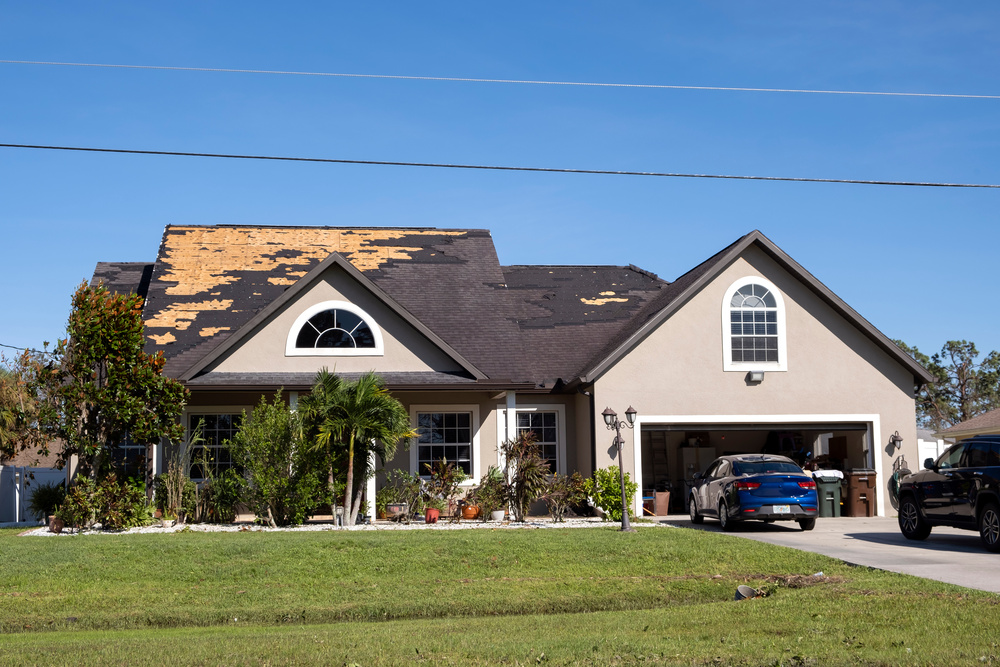
Southwest Florida roofs face constant pressure from coastal humidity, salt exposure, heavy rain, and hurricane-force winds. Homes throughout Sarasota, Fort Myers, and Port Charlotte often experience roofing deterioration faster than inland properties because materials remain exposed to moisture year-round. Understanding why roofing systems fail early helps homeowners make better maintenance decisions and avoid expensive structural damage.
Key Takeaways
- Salt air gradually weakens roofing materials and metal components across Southwest Florida coastal communities.
- Seasonal storms create repeated stress that shortens the roof’s lifespan without consistent inspections and maintenance.
- Poor attic ventilation often traps moisture and heat, accelerating shingle deterioration and interior water damage.
- Regular inspections and targeted repairs help extend roof performance in hurricane-prone Gulf Coast environments.
The Effects of Salt Air and Storm Stress on Southwest Florida Roofs
Southwest Florida roofing systems constantly face environmental pressure from coastal weather patterns and prolonged humidity exposure. Wind-driven rain, salt accumulation, and extreme attic temperatures create long-term stress on roofing materials throughout the Gulf Coast. This section explains the most common coastal conditions that contribute to early roofing failure and how homeowners can reduce long-term damage.
Salt Air Gradually Weakens Roofing Components
Salt-heavy coastal air slowly corrodes exposed flashing, fasteners, and roof edges near Gulf Coast communities like Venice and Englewood. Minor corrosion often spreads beneath shingles before visible leaks appear, creating hidden moisture problems inside roofing systems. Homes requiring ongoing protection frequently benefit from roof repair, while advanced corrosion sometimes leads homeowners toward roof replacement solutions after repeated storm exposure.
Hurricane Winds Create Repeated Structural Stress
Seasonal tropical storms repeatedly lift shingles and loosen fastening systems across older Southwest Florida roofing structures. Wind pressure often damages roof edges first, especially around valleys, ridges, and vulnerable transition points during severe weather events. Properties experiencing recurring uplift damage commonly require shingle roofing restoration or metal roofing reinforcement to improve long-term storm resistance along the Gulf Coast.
Heat and Moisture Accelerate Roofing Material Breakdown
Extreme attic heat combined with year-round humidity causes roofing materials to age faster throughout Southwest Florida neighborhoods. Trapped moisture weakens underlayment layers and encourages wood deterioration beneath aging roofing systems during extended summer conditions. Homes with poor ventilation often require inspections and moisture-focused evaluations connected to storm damage restoration after prolonged seasonal weather exposure.
Roof Maintenance Priorities for Long-Term Gulf Coast Protection
Consistent maintenance remains one of the most effective ways to protect roofs across Southwest Florida coastal environments. Seasonal inspections help identify moisture damage, ventilation issues, and storm-related wear before larger structural problems develop. This section explains practical maintenance priorities that help homeowners extend roof lifespan throughout Punta Gorda, North Port, and nearby Gulf Coast communities.
Schedule Regular Roof Inspections Before Storm Season
Coastal roofing systems often develop hidden vulnerabilities long before interior water stains become noticeable inside the home. Routine inspections help identify cracked sealants, loose flashing, and storm damage before moisture spreads beneath roofing materials. Homes with aging surfaces frequently require preventative maintenance connected to their roofing systems or targeted leak repair services after heavy seasonal rainfall.
Keep Gutters Clear to Prevent Water Intrusion
Blocked gutters force rainwater beneath roofing edges, increasing the risk of rot and structural deterioration during Florida storm seasons. Overflowing drainage systems also contribute to fascia damage and moisture accumulation around vulnerable roof transitions after prolonged rainfall. Many homeowners improve long-term protection by combining regular roof evaluations with properly maintained gutter systems designed for heavy Gulf Coast rain conditions.
Improve Attic Ventilation to Reduce Moisture Buildup
Poor attic airflow traps excessive heat and moisture beneath roofing systems throughout humid Southwest Florida summers. Ventilation upgrades help reduce condensation buildup while improving roofing material performance during extended periods of coastal humidity. Homes experiencing repeated attic moisture problems benefit from energy-focused roofing improvements designed for Florida climates.
Strengthen Your Southwest Florida Roof Against Coastal Storm Conditions
Since 2012, Galloway Roofing has helped homeowners protect roofs against Southwest Florida’s harsh coastal weather conditions. Homes throughout the Gulf Coast require roofing systems built for long-term durability against heat, storms, and coastal moisture exposure. Our experienced roofing professionals continue helping homeowners prepare for seasonal damage and long-term roofing performance.
Schedule your free estimate today.
Service areas also extend into the Tampa Bay region, including Tampa, Brandon, Clearwater, Wesley Chapel, and nearby coastal communities. Many homeowners explore completed local roofing projects and nearby customer experiences before moving forward with their next roofing investment.
Frequently Asked Questions
How long do roofs typically last in Southwest Florida?
Roof lifespan depends on material quality, ventilation, maintenance consistency, and coastal exposure levels. Asphalt shingles often experience shorter lifespans near coastal communities because salt air, heat, and seasonal storms gradually weaken roofing materials faster than inland conditions.
Why does salt air damage roofing systems?
Salt particles settle onto roofing surfaces and metal components throughout coastal Southwest Florida neighborhoods. Over time, salt exposure accelerates corrosion around flashing, fasteners, and roof edges, allowing moisture intrusion that weakens surrounding roofing materials and structural supports.
What roofing materials perform best near the Gulf Coast?
Metal, tile, and impact-rated asphalt shingles generally perform better against hurricane winds and coastal humidity. Material performance still depends heavily on installation quality, attic ventilation, drainage systems, and ongoing maintenance throughout changing Florida weather conditions.
How often should Southwest Florida roofs be inspected?
Most roofing professionals recommend inspections at least once annually and immediately after major storms or hurricanes. Regular inspections help identify hidden damage early, reducing the risk of costly repairs caused by prolonged water intrusion or structural deterioration.